
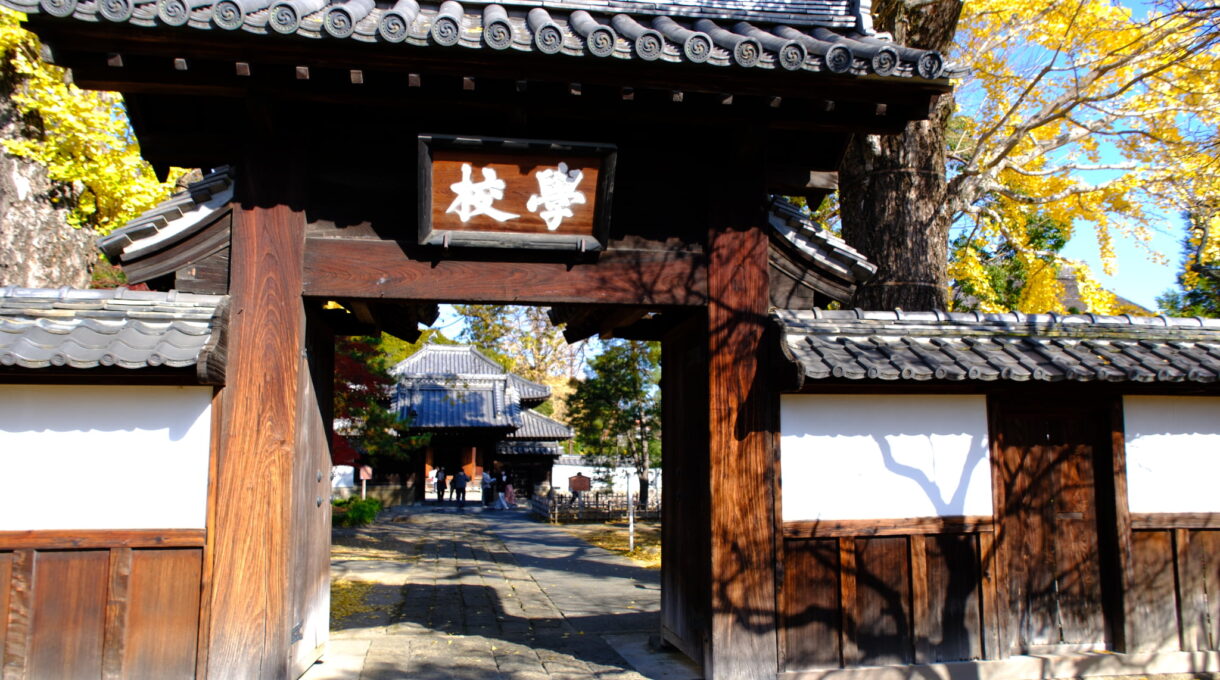
Ashikaga Gakko is located in Ashikaga City, Tochigi Prefecture, and is widely known as the oldest surviving former school site in Japan.
This is not an active school today. Instead, the grounds of a once-thriving place of learning have been preserved and opened to the public as a historic site.
Inside the site, you’ll find a calm atmosphere surrounded by trees.
As you walk through the gates, you can’t help but imagine what it must have been like for students to study here long ago.
The grounds are not very large, so a visit typically takes about one hour.
It’s also within walking distance—around 10 minutes on foot from Ashikaga Station—making it a highly satisfying stop even if you have limited time.
Overview of Ashikaga Gakko
Ashikaga Gakko is a nationally designated historic site in Ashikaga City, Tochigi Prefecture, and is widely known as the oldest surviving former school site in Japan.
Here, “site” does not mean a school that still operates today.
It refers to the preserved grounds and buildings of a place where students once studied—now maintained and open to visitors as a historic site.
It’s also worth noting that not every building you see is “original” from the same period.
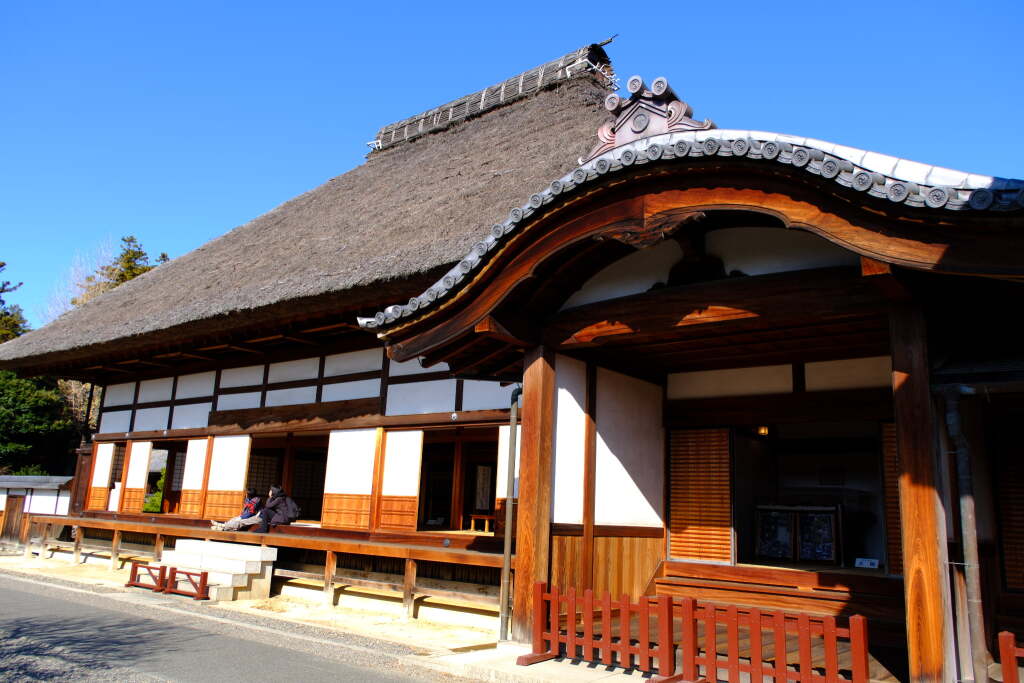
Many structures, including the Hojo (the headmaster’s quarters), have been reconstructed to reflect their mid-Edo-period appearance (around 1756). These restoration projects began in 1988 and were completed in 1990.
At the same time, Ashikaga Gakko also preserves some of its oldest surviving structures.
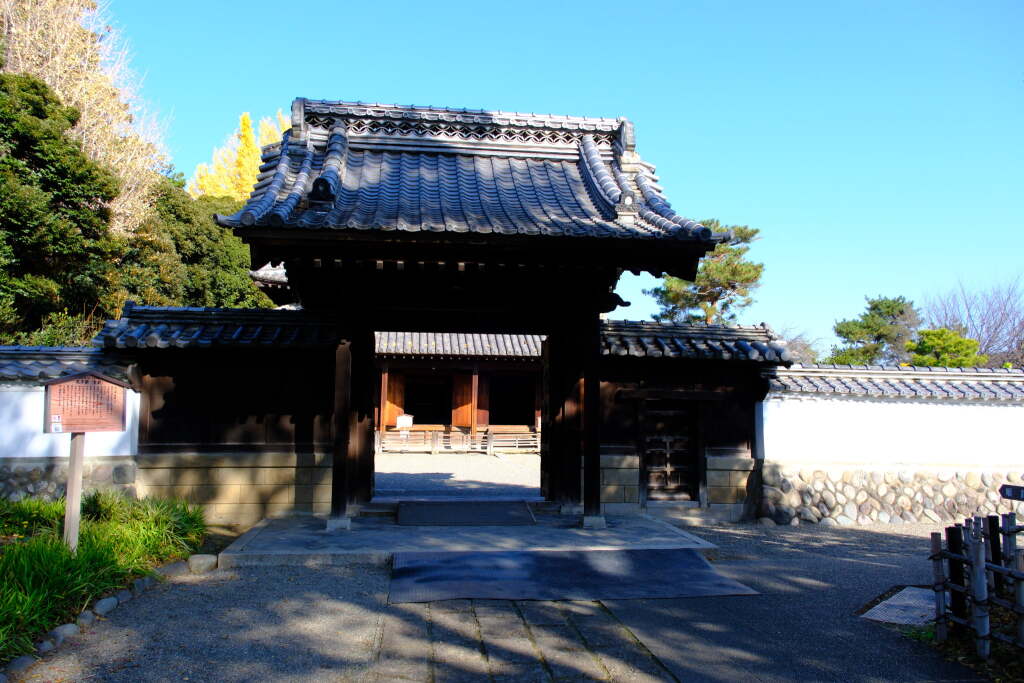
The Taiseiden (a hall dedicated to Confucius) and the School Gate are both dated to 1668 and are often cited among the oldest existing buildings on the site. Walking through these spaces makes it easier to feel the atmosphere of a historical place of learning.
ow to Get to Ashikaga Gakko
Address: 2338 Shōhei-chō, Ashikaga City, Tochigi, Japan (View on Google Maps)
Nearest station: Ashikaga Station
From Ashikaga Station, it’s about a 10-minute walk to Ashikaga Gakko.
Below are two sample routes from Utsunomiya. (For more about Utsunomiya Station, please see separate article.)
From Utsunomiya Station (JR)
-
Take the JR Utsunomiya Line from Utsunomiya Station to Oyama Station.
-
Transfer to the JR Ryōmō Line and continue to Ashikaga Station.
Travel time: about 1 hour 20 minutes to 1 hour 30 minutes
Fare: around 1,170 yen (JPY)
From Tobu Utsunomiya Station
-
Take the Tobu Utsunomiya Line from Tobu Utsunomiya Station to Shin-Tochigi Station.
-
Transfer to the Tobu Nikko Line and go to Tochigi Station.
-
Transfer to the JR Ryōmō Line and continue to Ashikaga Station.
Travel time: about 1 hour 20 minutes to 1 hour 30 minutes
Fare: around 940 yen (JPY)
What Is Ashikaga Gakko Like Inside?
Ashikaga Gakko doesn’t feel like a “school” in the modern sense.
Instead, you’re welcomed by a calm, green setting. The grounds are filled with beautiful trees and have an atmosphere closer to a quiet park than a typical campus.
The site is not very large, so about one hour is usually enough time to see the main highlights at a comfortable pace.
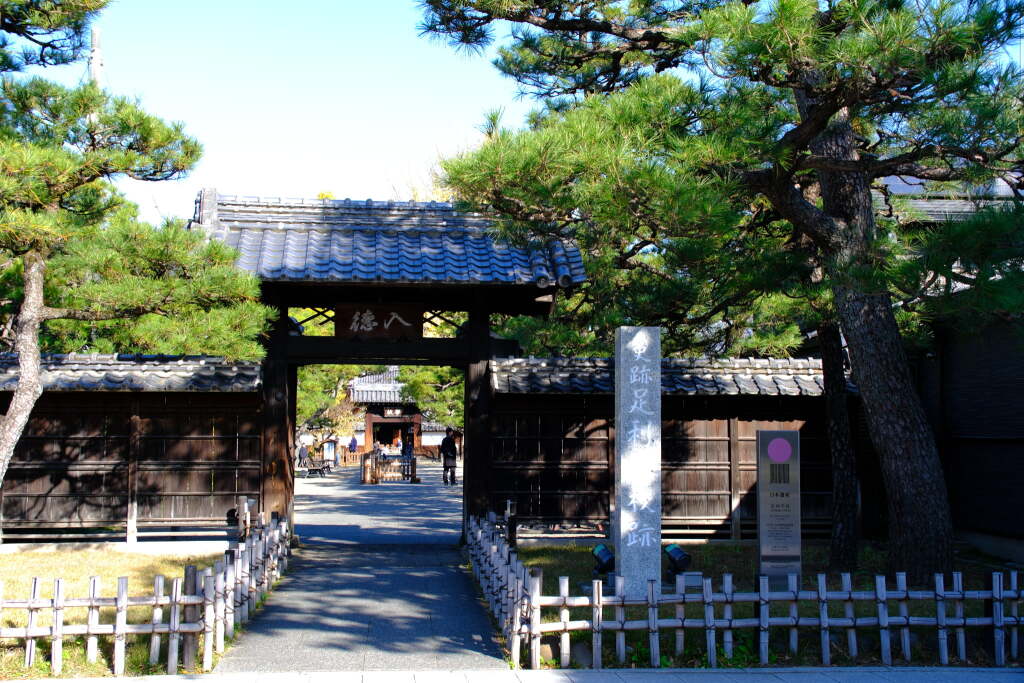
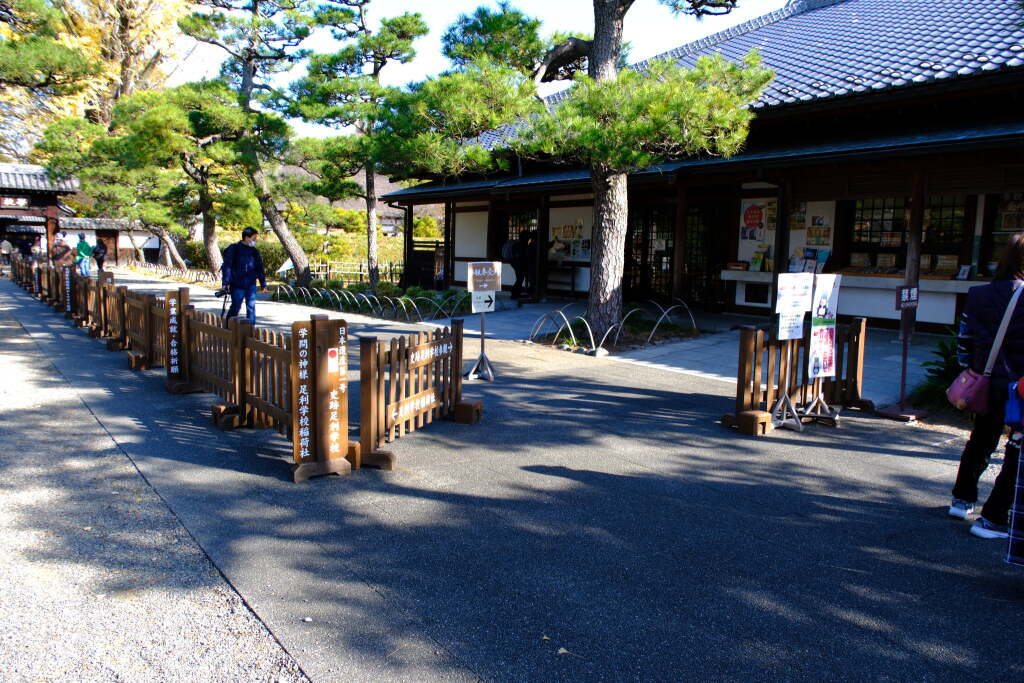
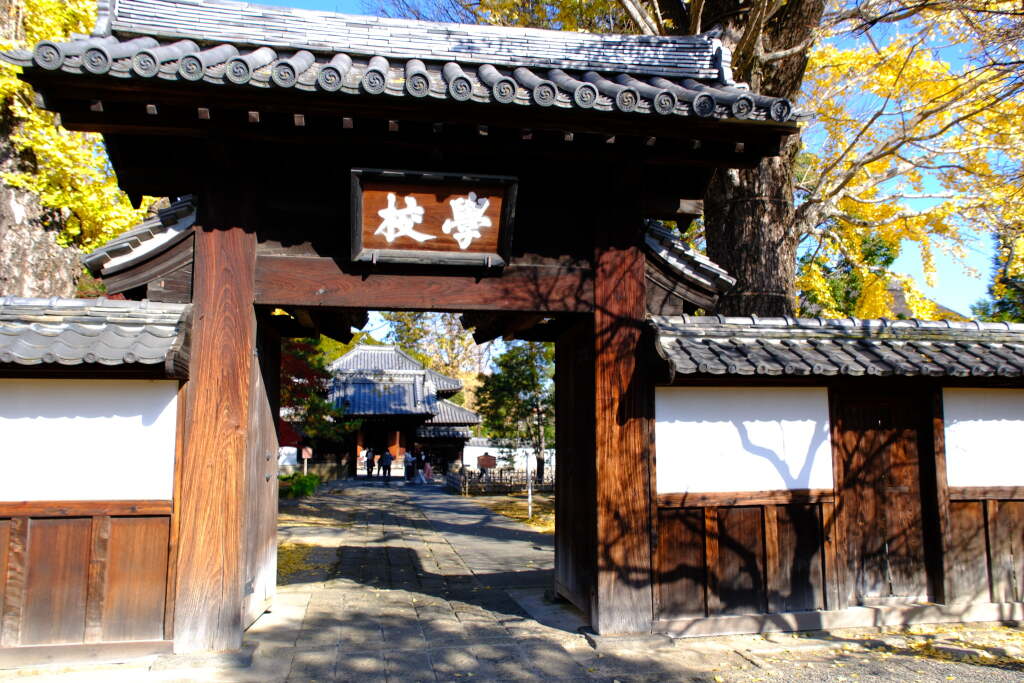
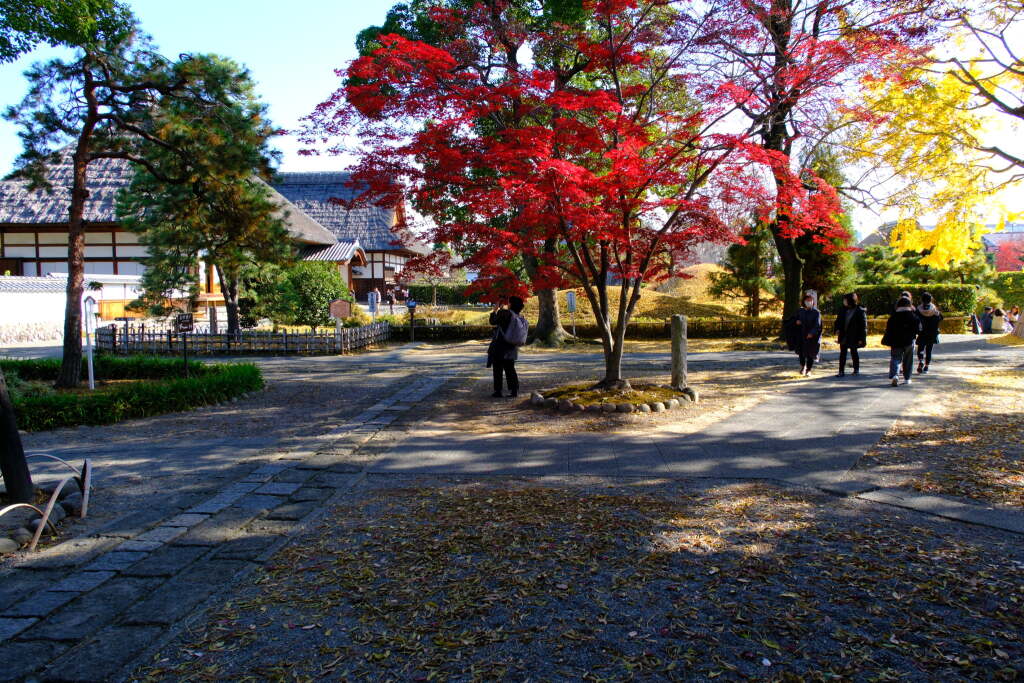
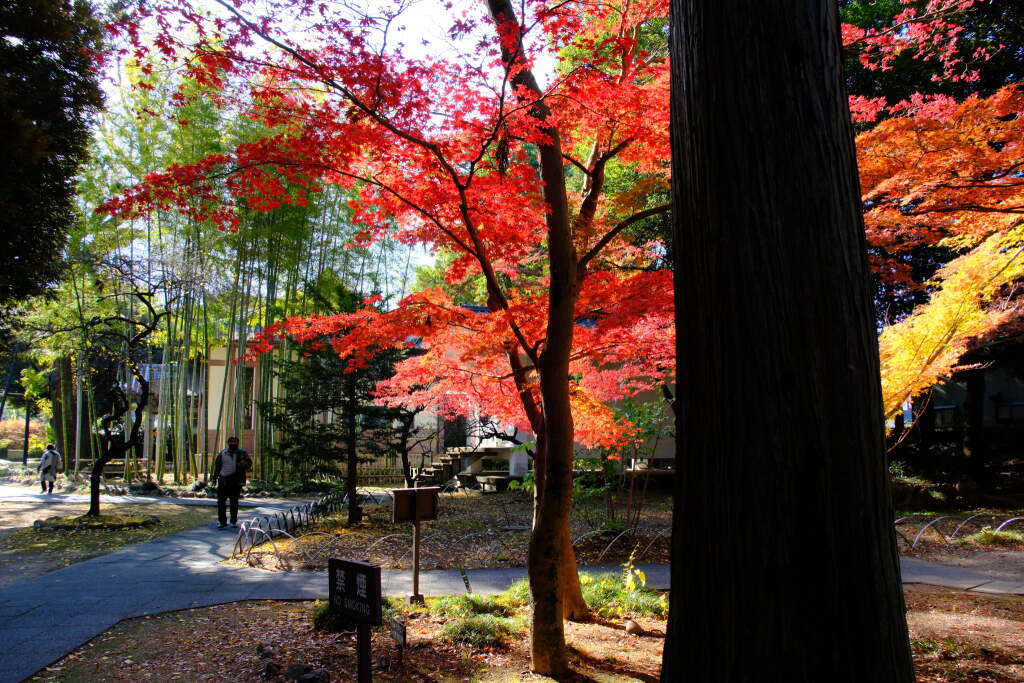
Now, let’s take a look at the main buildings inside the site.
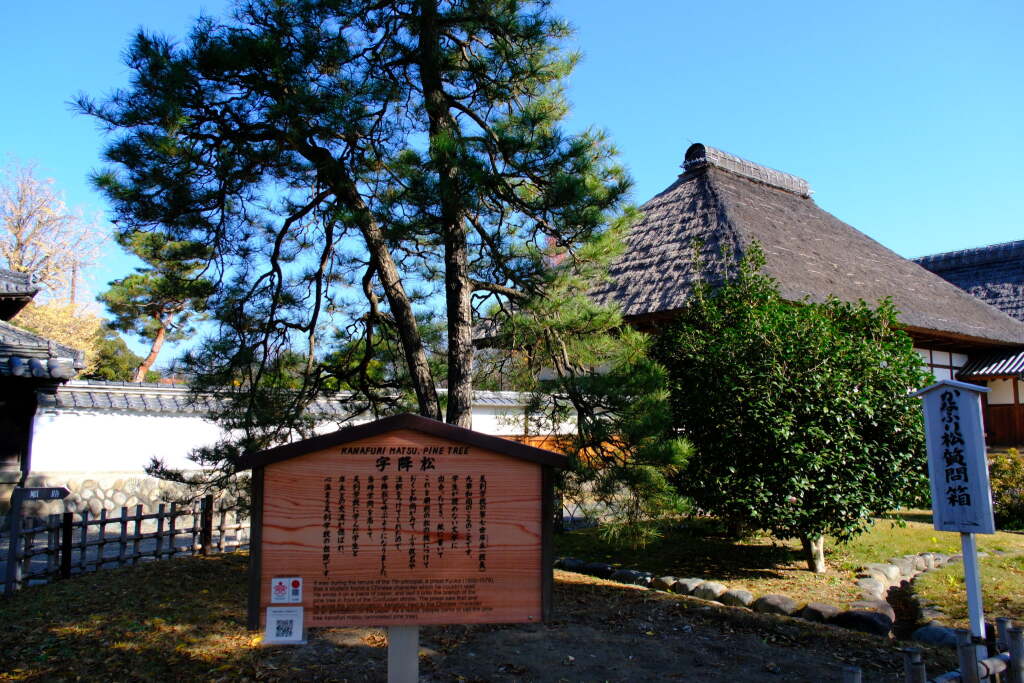
Kanafuri Pine
Kanafuri Pine is named after a local story about studying.
“Kanafuri” literally means “adding kana,” or providing reading guides in Japanese.
According to tradition, students tied a note with a difficult character to the pine tree, and by the next day it would return with furigana (reading aids) or annotations added.
Taiseiden (Hall Dedicated to Confucius)
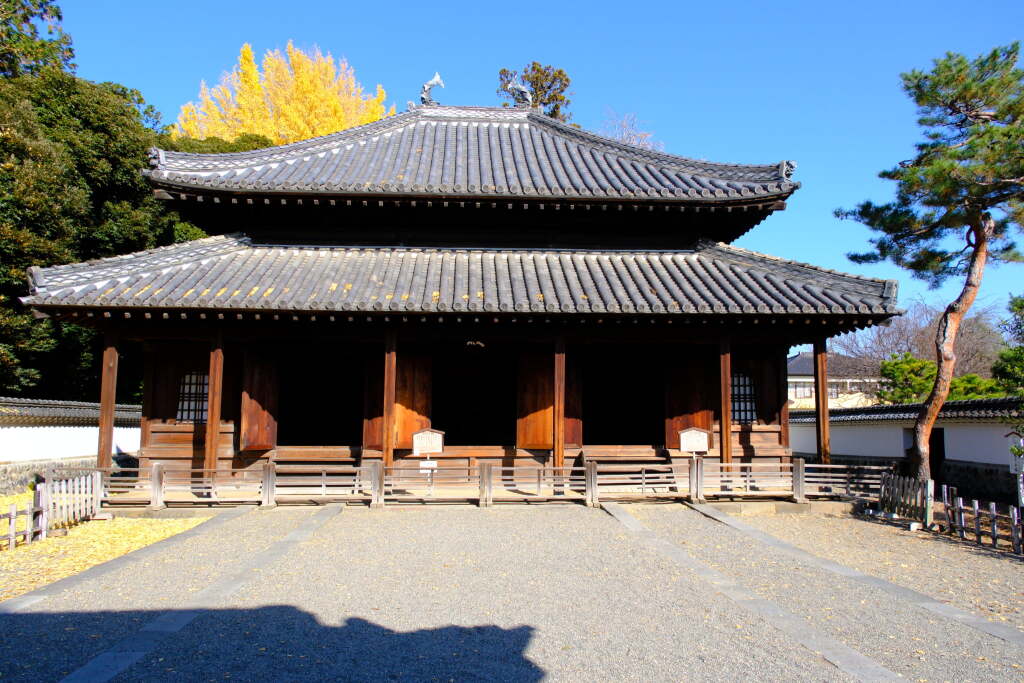
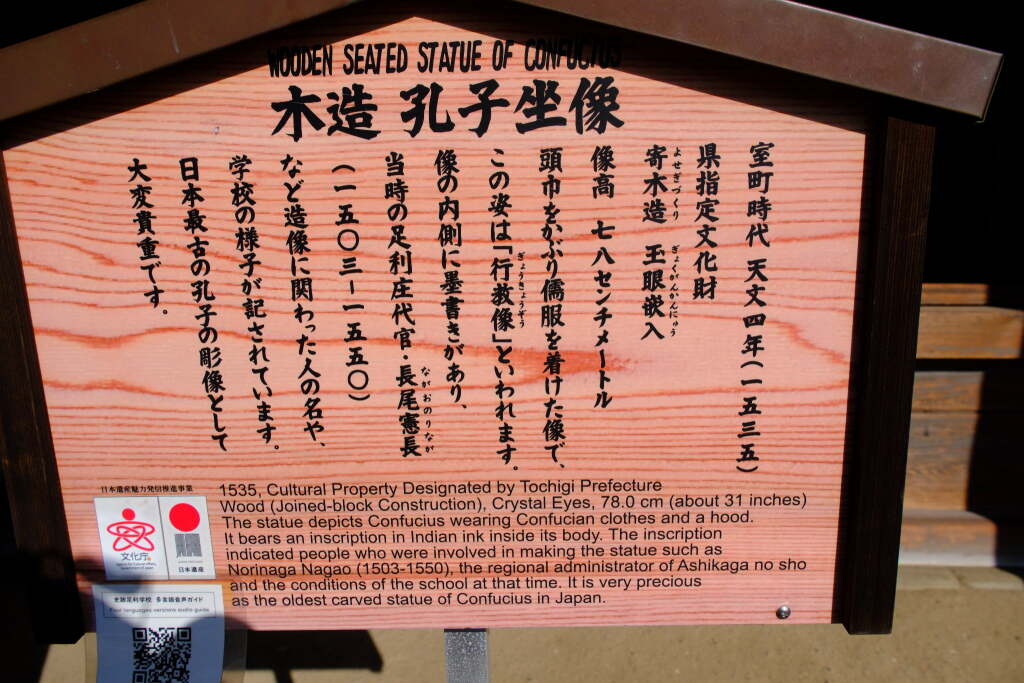
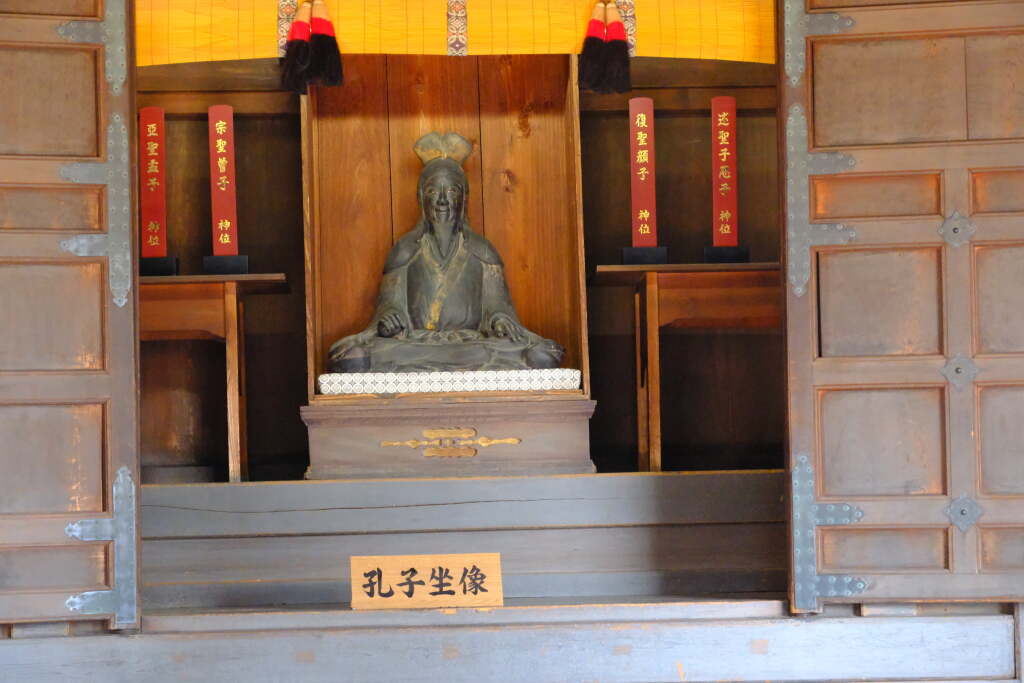
Taiseiden is a building inside Ashikaga Gakko dedicated to Confucius. It is often seen as the symbol of “learning” at the site, and it is also known as a Confucian shrine.
According to the site’s information, Taiseiden was built in 1668 and is introduced as the oldest surviving Confucian shrine in Japan. Its design is said to be modeled after Confucian temples from Ming-dynasty China, which makes it a special place to experience a traditional “world of scholarship” while still in Japan.
Taiseiden is also included in the nationally designated historic-site area, along with Nyutoku Gate, the School Gate, and Kyodan Gate.
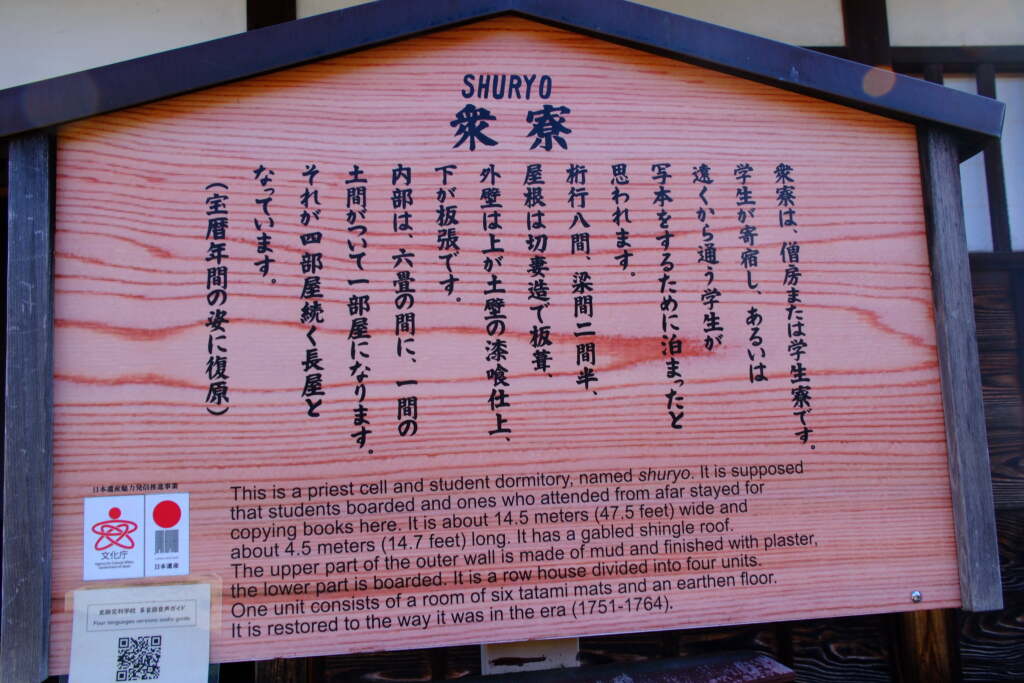
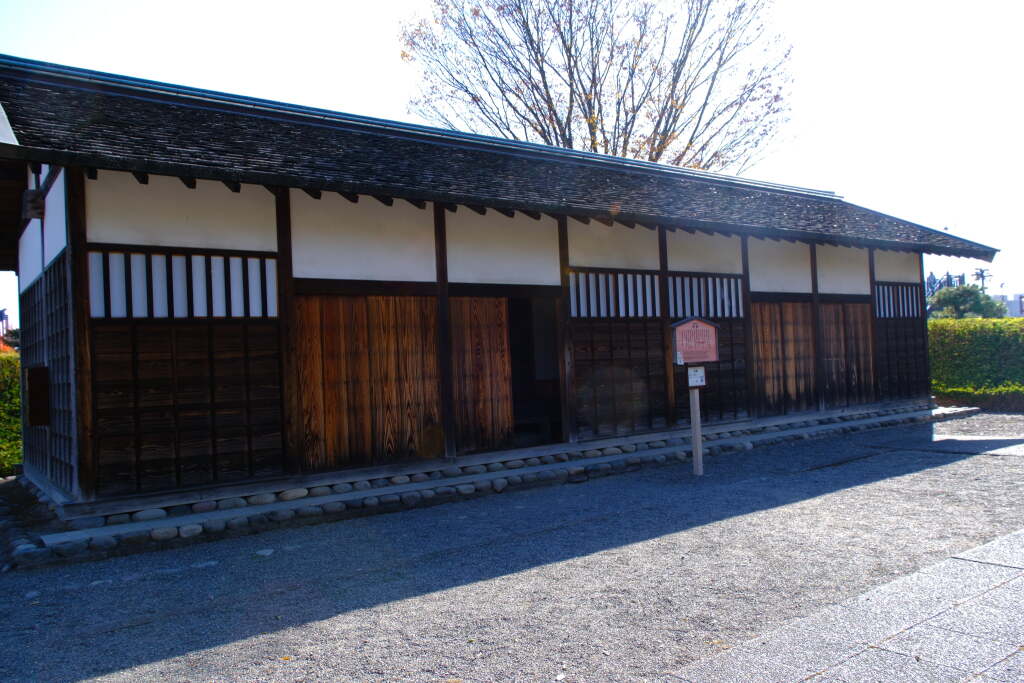
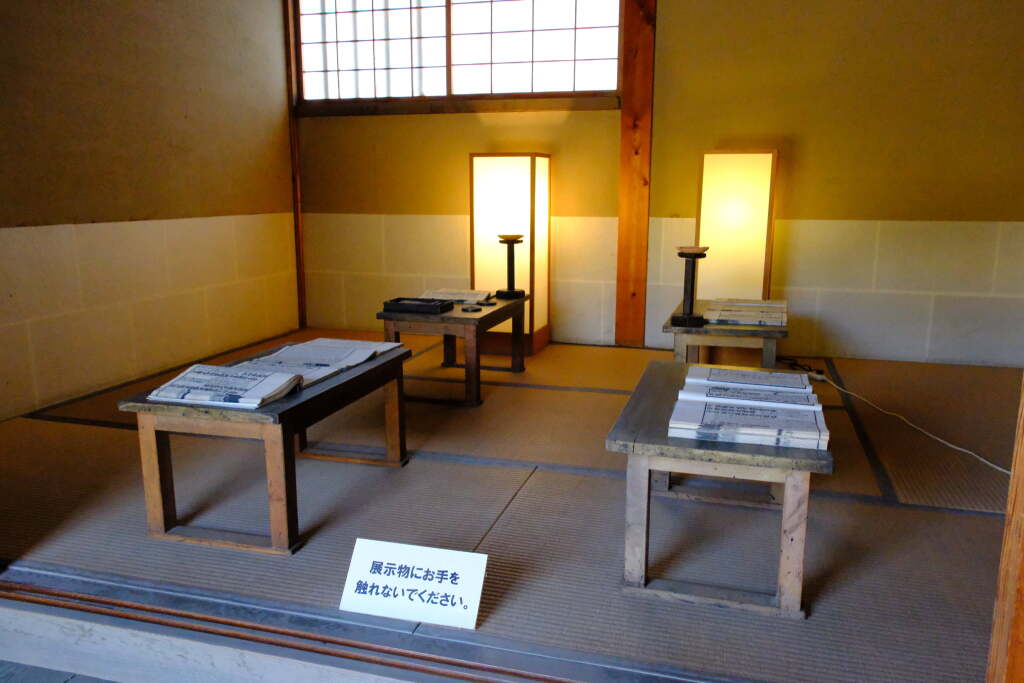
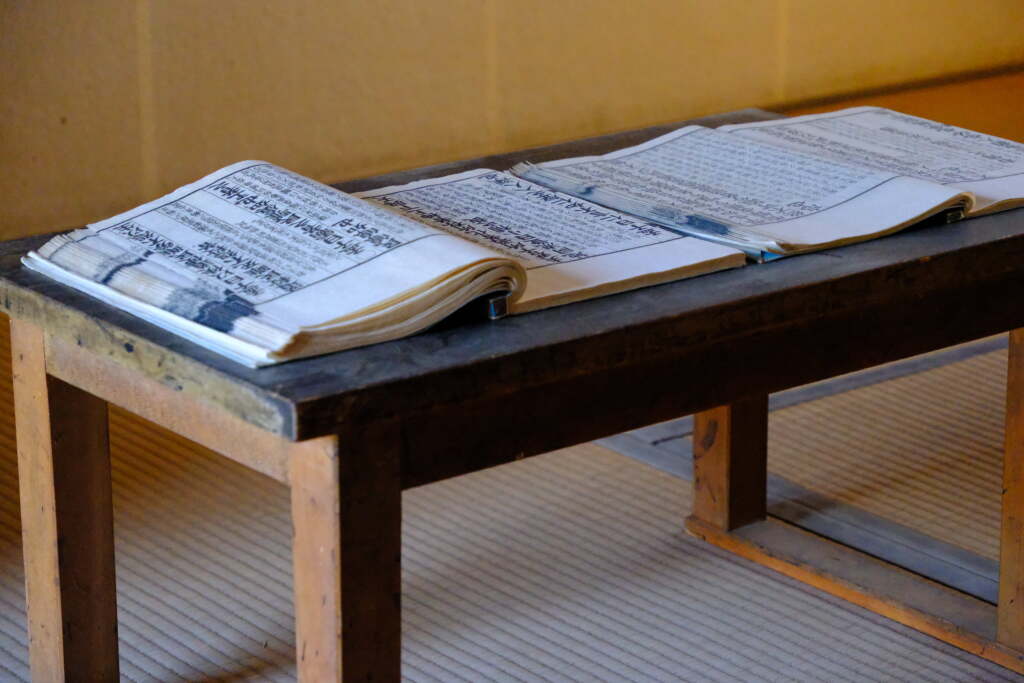
huryo (Student Dormitory)
Shuryo was the student dormitory at Ashikaga Gakko.
Some students lived here while studying, and it is also said that students who came from far away stayed overnight—especially when they needed time to copy texts by hand (manuscript copying).
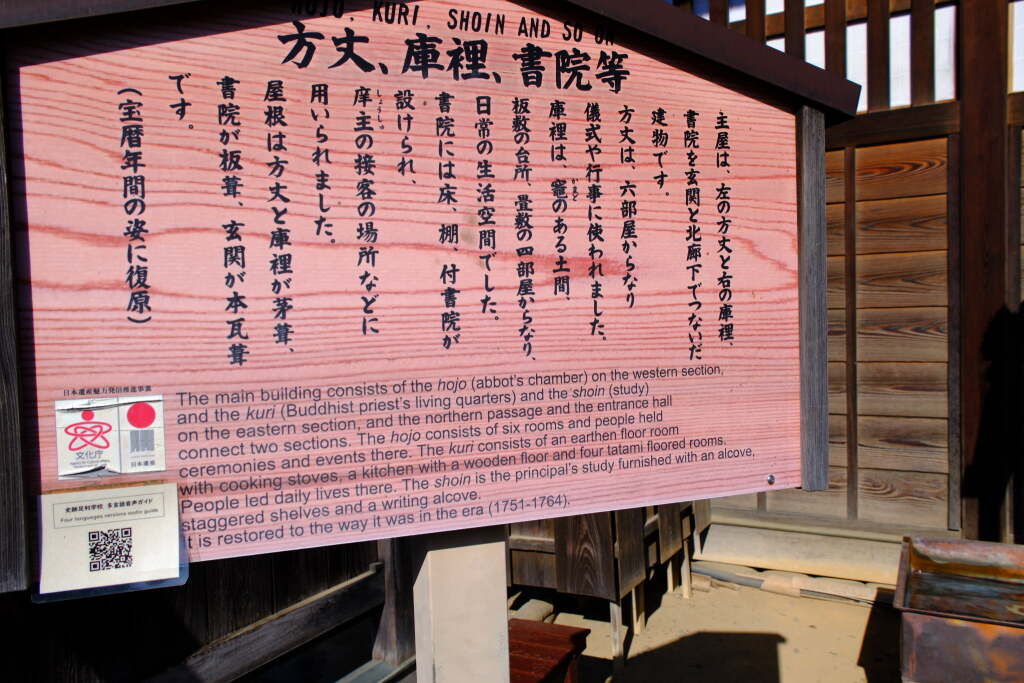
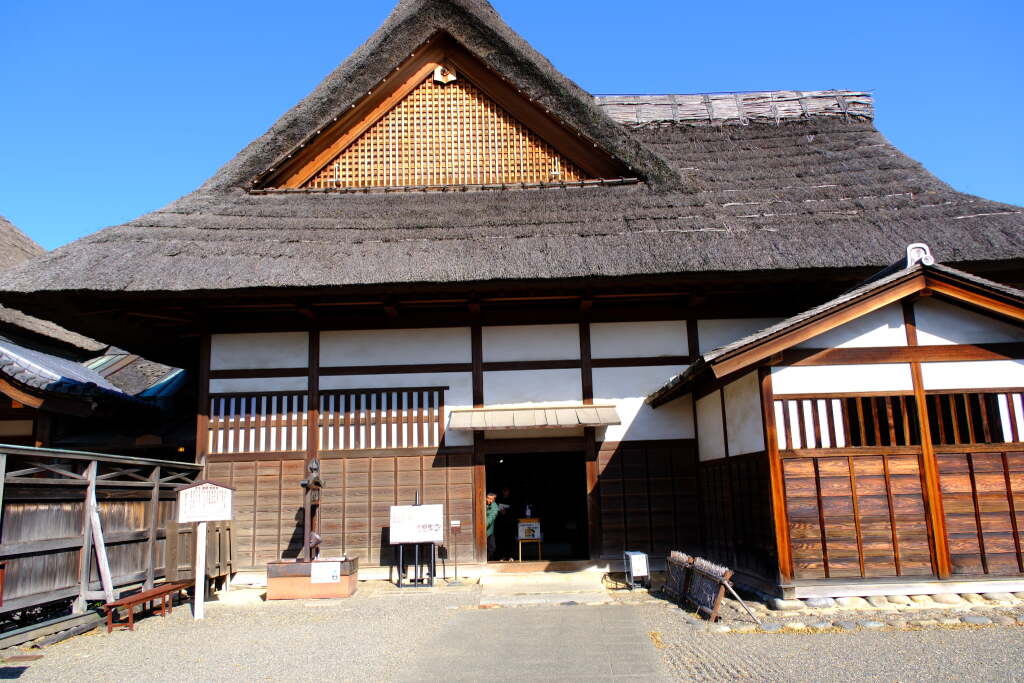
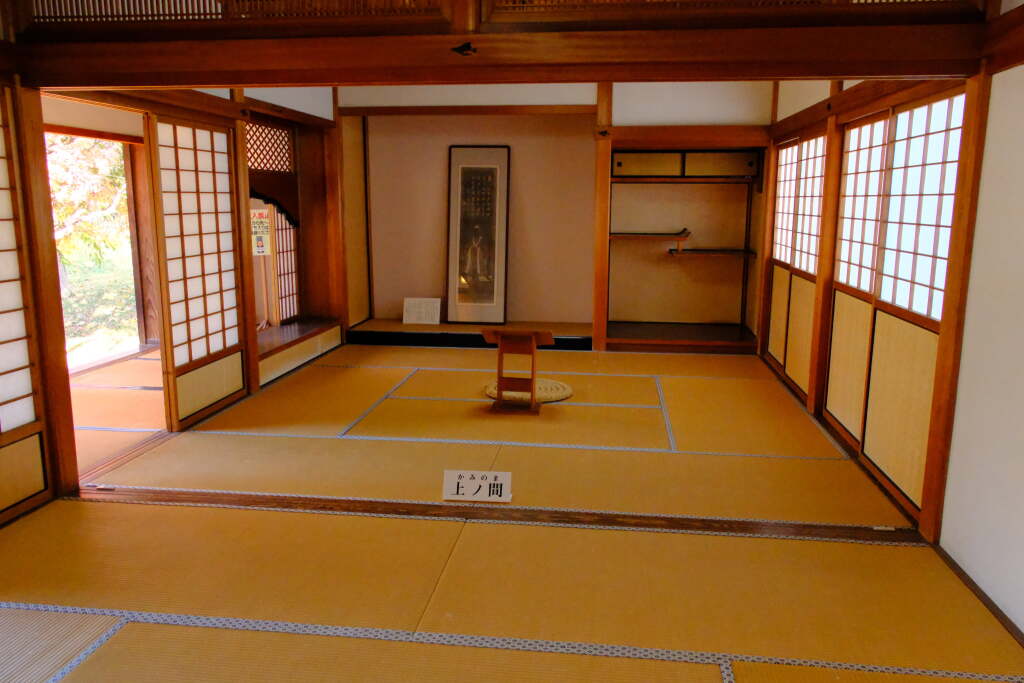
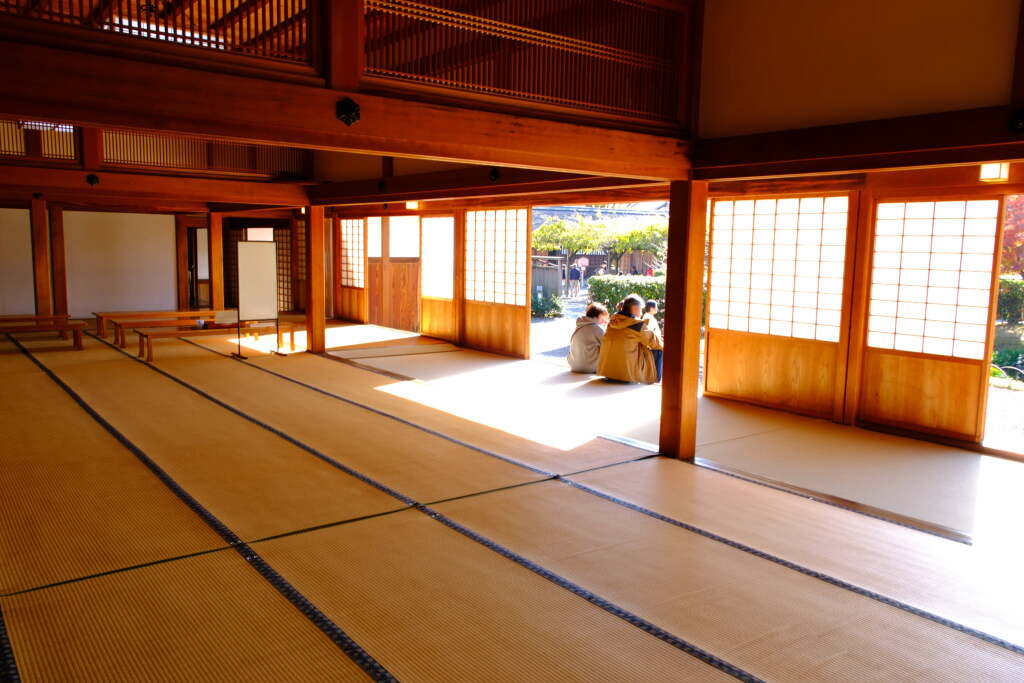
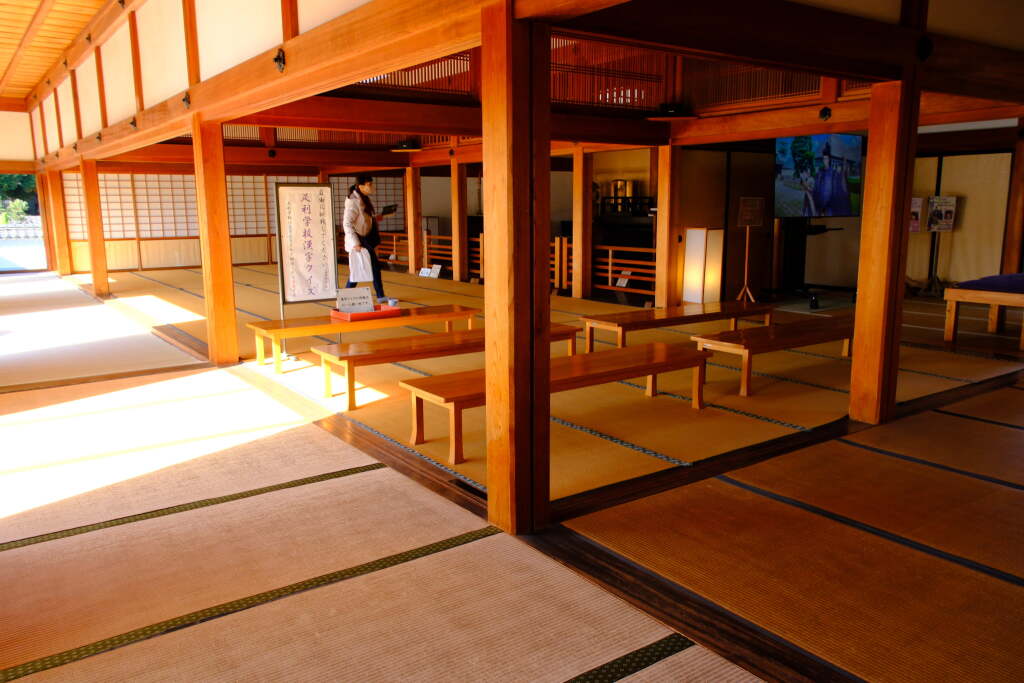
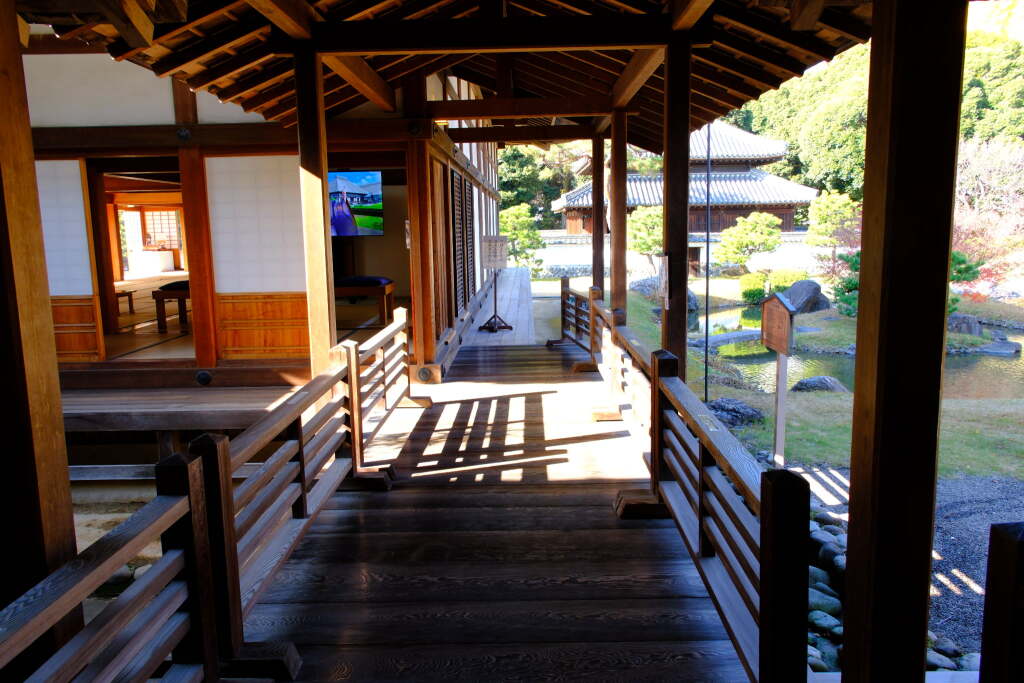
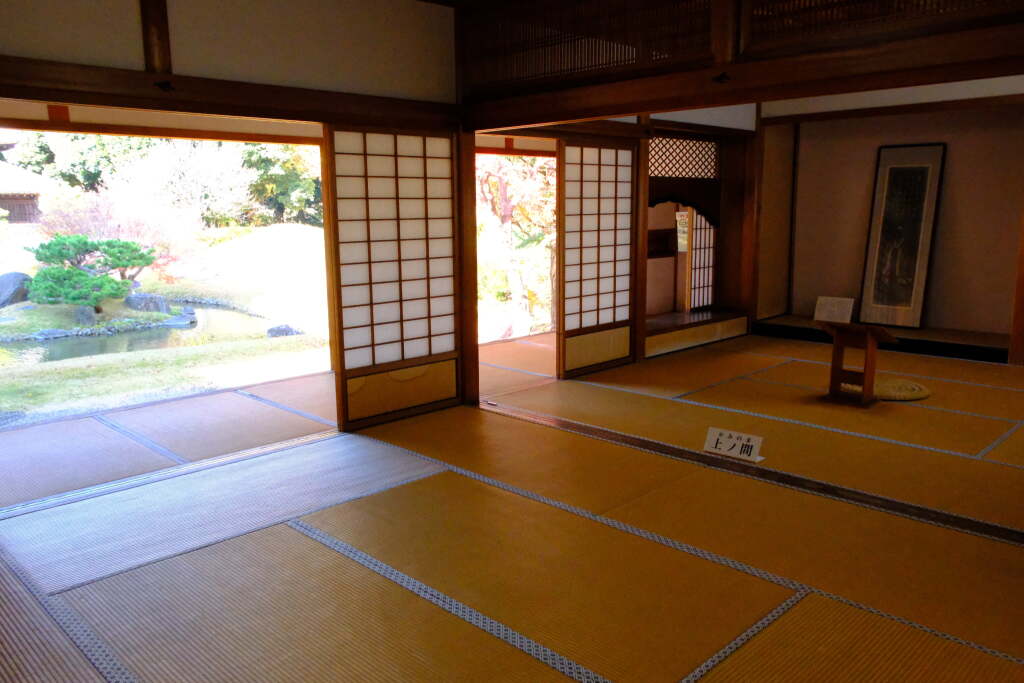
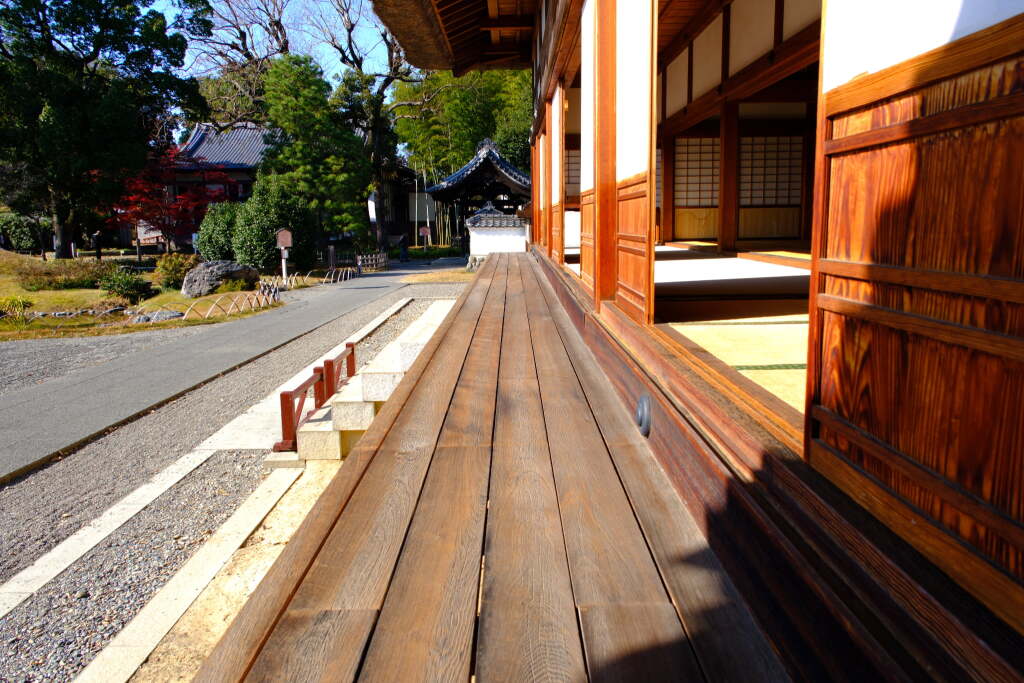
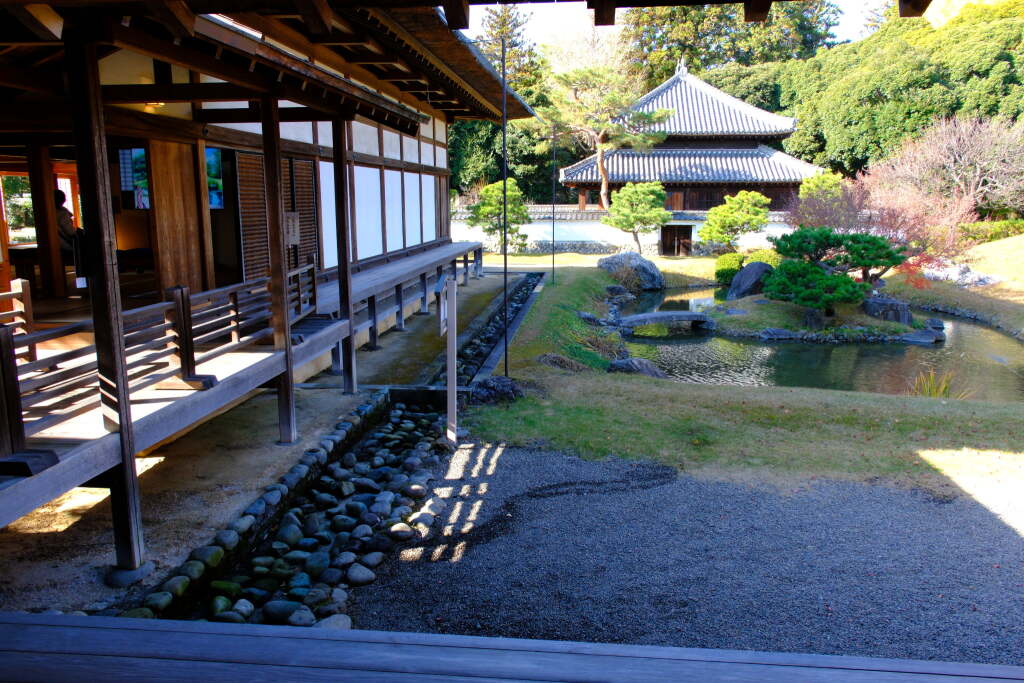
Hojo, Kuri, and Shoin (The Main Buildings)
This group of buildings forms the core of Ashikaga Gakko.
Here, the spaces for study and daily life existed side by side.
Hojo was where the shoshu (the head of Ashikaga Gakko) lived and spent time.
It was also used for ceremonies and receiving guests.
Kuri was the practical, everyday living area.
It included a kitchen and an earthen-floor space (doma), and was used for daily work and routines.
Shoin was a more formal space used by the headmaster to receive guests.
It features elements of shoin-zukuri architecture—such as a tokonoma alcove, staggered shelves, and a built-in desk area—giving the room a sense of formality and prestige.
Opening Hours and Admission Fees
Opening Hours (Last Admission)
-
April–September: 9:00–17:00 (last admission 16:30)
-
October–March: 9:00–16:30 (last admission 16:00)
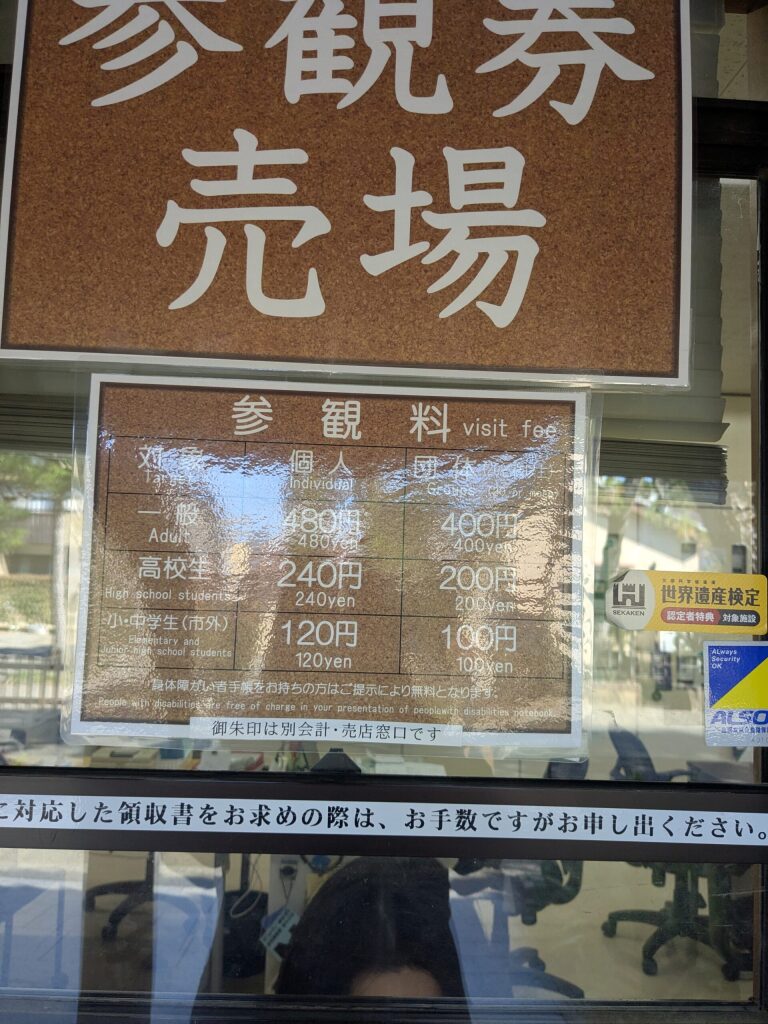
Admission (Tax Included)
-
Adults: 480 yen (JPY)
-
High school students: 240 yen (JPY)
-
Elementary & junior high school students: 120 yen (JPY)
-
Preschool children: Free
-
Credit cards are not accepted.
Closed Days
-
Generally, the third Wednesday of each month
-
December 29–31 (year-end closure)
-
A full list of closed days is announced on the official website each year.
This article reflects information as of November 30, 2025.