
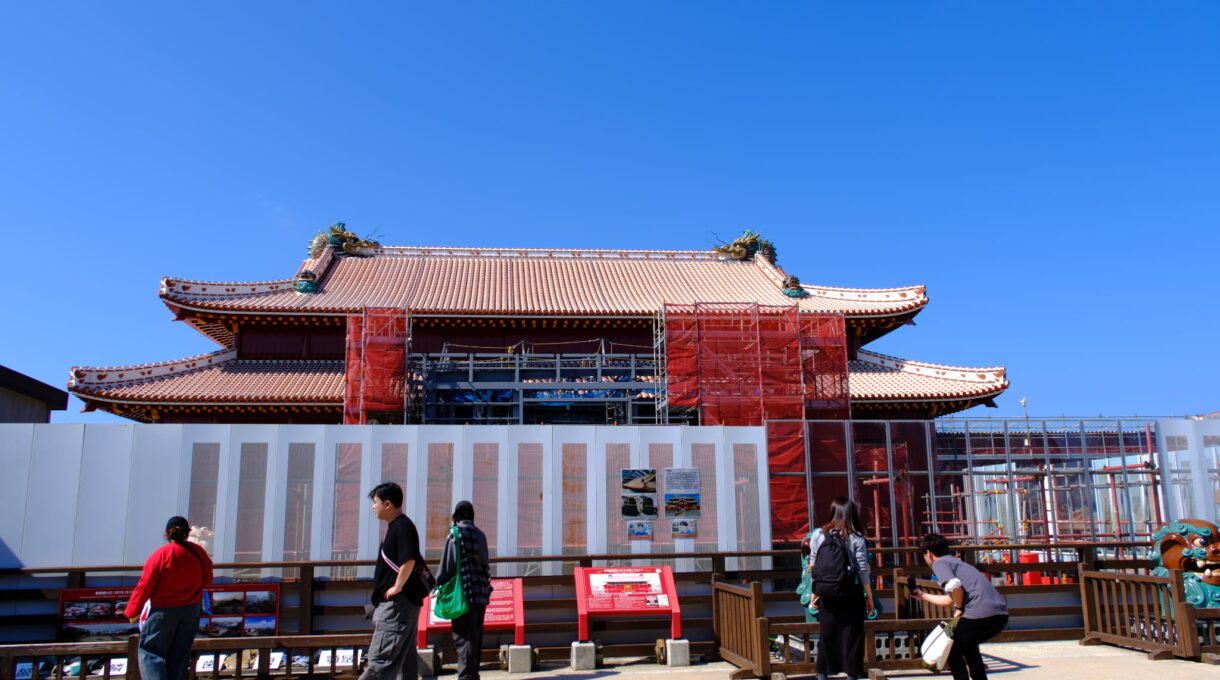
Located in Naha, Okinawa, Shuri Castle was once the royal palace where the kings of the Ryukyu Kingdom lived and governed. Although it is often described as a Japanese castle, it represents a unique history and culture that developed separately from castles on mainland Japan.
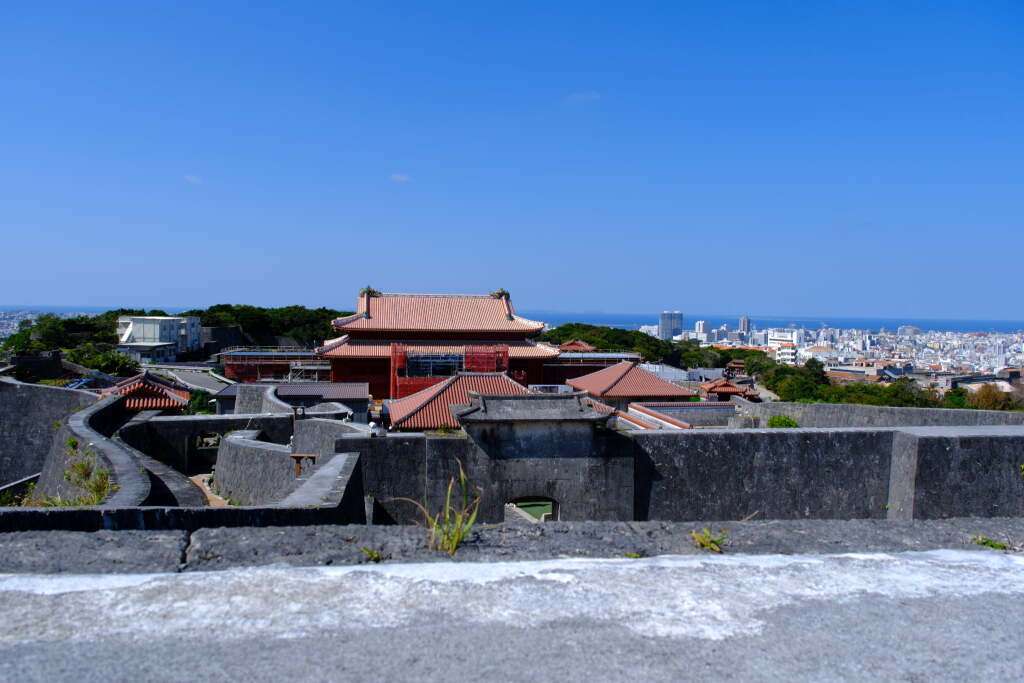
In 2019, a fire destroyed several major buildings, including the main hall. Reconstruction is currently underway, with completion planned for autumn 2026. While access to the interior of the main buildings is limited, visitors can still experience the atmosphere of Shuri Castle through landmarks such as Shureimon Gate, the castle gates, and the panoramic views from the hilltop.
Within walking distance, you can also visit Tamaudun, the royal mausoleum where generations of Ryukyu kings are buried, and the Shuri Kinjo Stone-Paved Road, a historic path that dates back to the Ryukyu Kingdom period.
In this article, we introduce the history of Shuri Castle, what you can see today, its main highlights, and nearby historical sites—following the same route we walked during our visit.
What is Shuri Castle?
Although Okinawa is now part of Japan, it was once an independent country known as the Ryukyu Kingdom.
The capital of this kingdom was Shuri, and Shuri Castle served as its royal palace. Located in present-day Naha City, Okinawa, the castle functioned as the political, diplomatic, and cultural center of the kingdom.
Shuri was not simply a castle town; it was a political city where the king governed the country.
The exact date of Shuri Castle’s construction is unknown, but archaeological research suggests that it already existed by the late 14th century.
The Ryukyu Kingdom developed a unique culture through active trade with China, Japan, and Southeast Asia. Shuri Castle symbolized this kingdom and served not only as the residence of the king but also as an important site for diplomatic ceremonies.
However, in 1879, the Japanese government abolished the Ryukyu Kingdom and established Okinawa Prefecture. As a result, the kingdom came to an end, and Okinawa became part of Japan.
Throughout its long history, Shuri Castle has been destroyed and rebuilt many times. During the Ryukyu Kingdom period, it burned down in fires in 1453, 1660, and 1709. It was completely destroyed again during the Battle of Okinawa in World War II in 1945. More recently, in 2019, a fire once again destroyed major buildings including the main hall.
In total, Shuri Castle has been lost five times throughout history, and rebuilt each time.
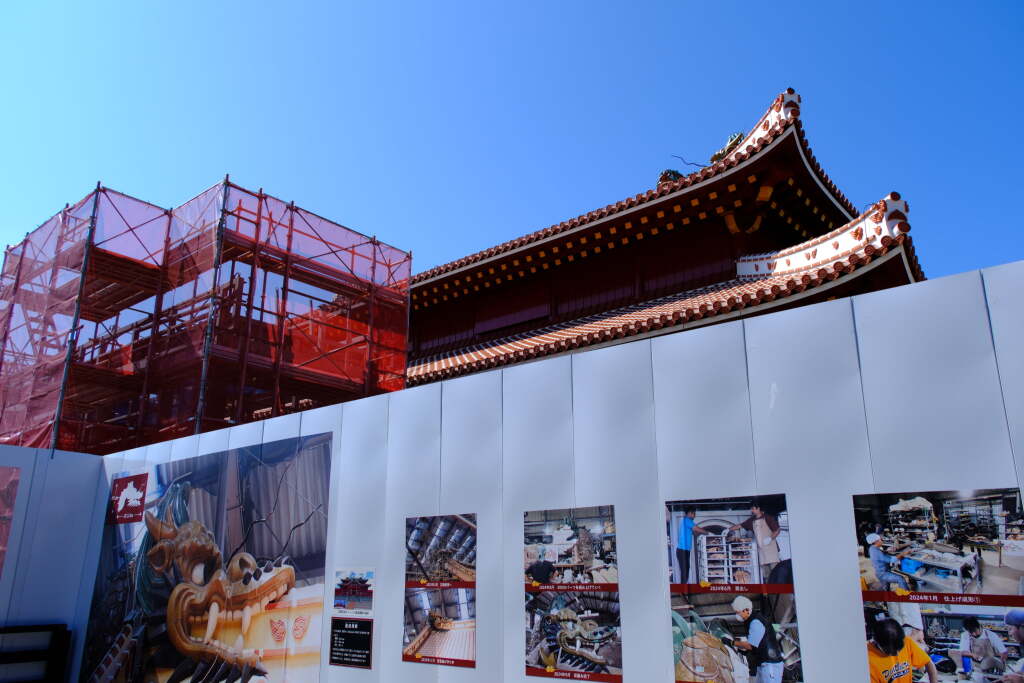
Today, reconstruction work is underway, with completion planned for autumn 2026 (around September to November).
When visiting historical places, many people naturally reflect on the past. Shuri Castle is a special place that, while located in Japan, represents a history different from that of castles on mainland Japan.
It stands as a reminder that another country once existed here—and that despite being lost many times, it has always been rebuilt.
Shuri Castle as of February 2026
Limited Access to the Main Buildings
Due to the fire in 2019, seven major buildings, including the main hall, were destroyed.
These structures are currently under reconstruction, so visitors cannot enter the interiors at this time.
While it may feel disappointing not to see the main buildings, Shuri Castle offers much more than just these structures.
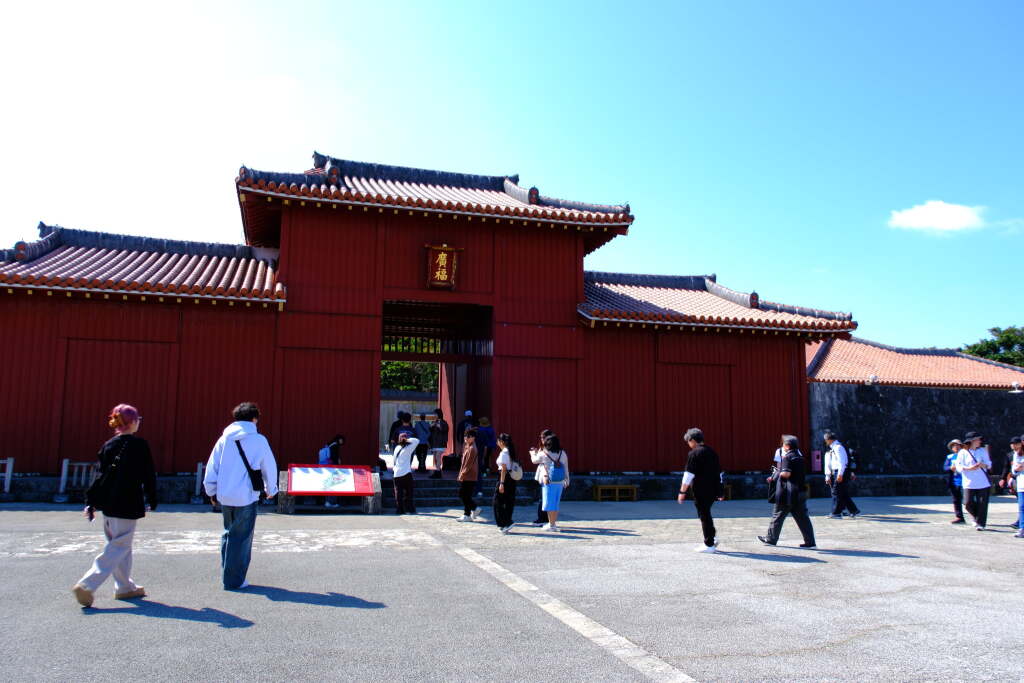
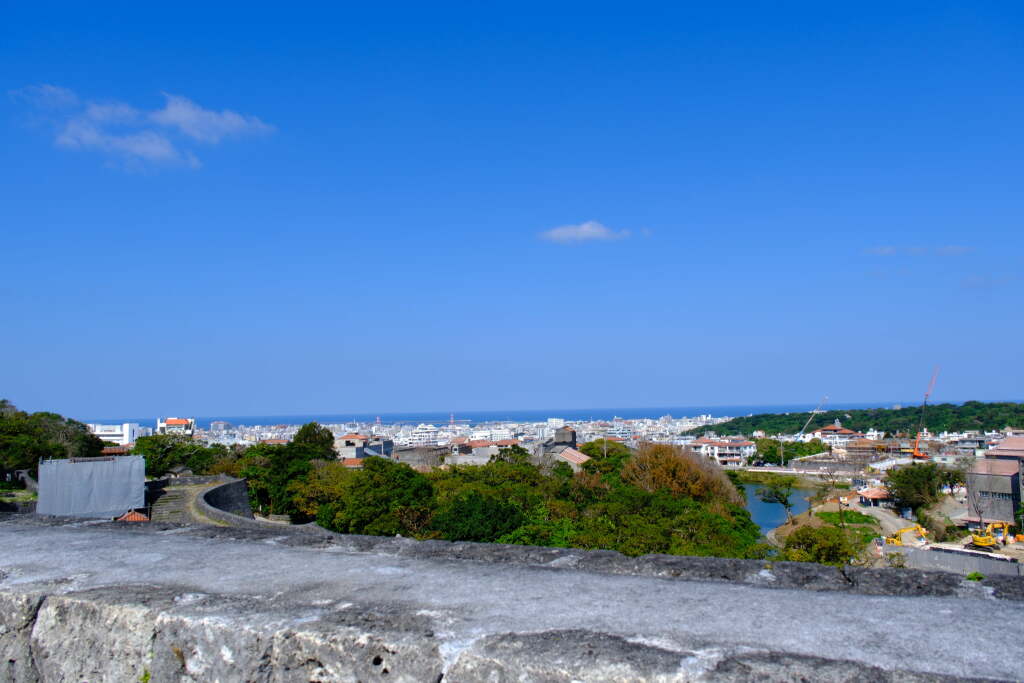
The walk toward the castle, the panoramic views from the hilltop, and historic gates such as Shureimon Gate still allow visitors to experience the unique atmosphere of Shuri Castle.
The Future of Shuri Castle
Reconstruction of Shuri Castle is currently underway, with completion scheduled for autumn 2026 (around September to November).
For the latest information, please visit the official website of Shuri Castle Park:
https://oki-park.jp.e.ms.hp.transer.com/shurijo/fukkou/
In a way, visiting now offers a unique opportunity—you can experience both the castle during reconstruction and the fully restored castle in the future.
How to Get to Shuri Castle
Address:
1-2 Shuri Kinjo-cho, Naha, Okinawa
View on Google Maps
Nearest Station:
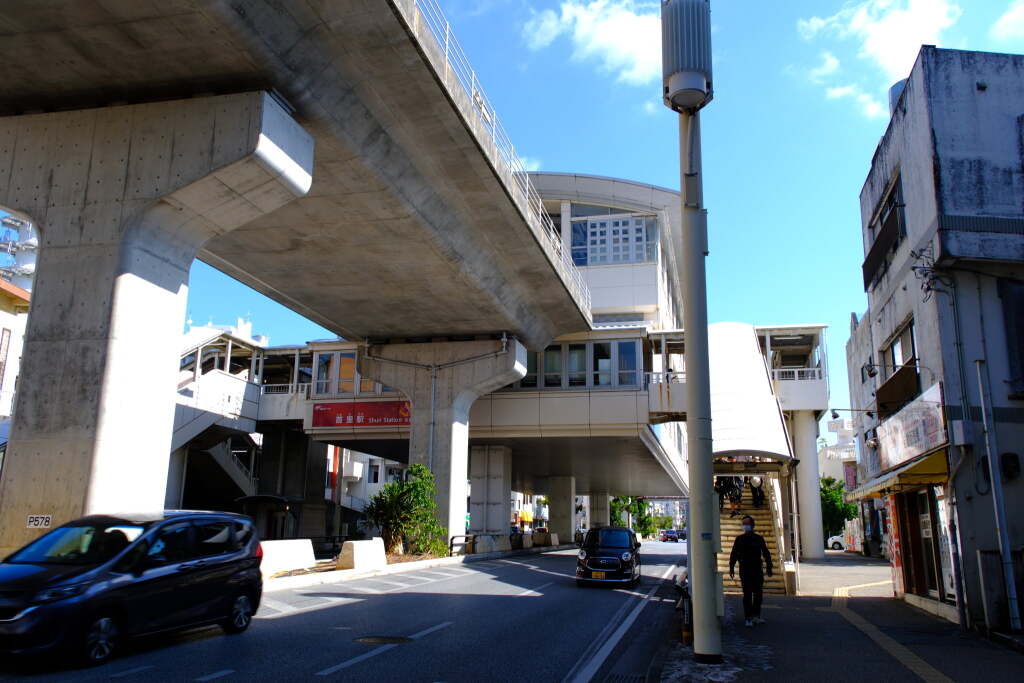
Yui Rail – Shuri Station
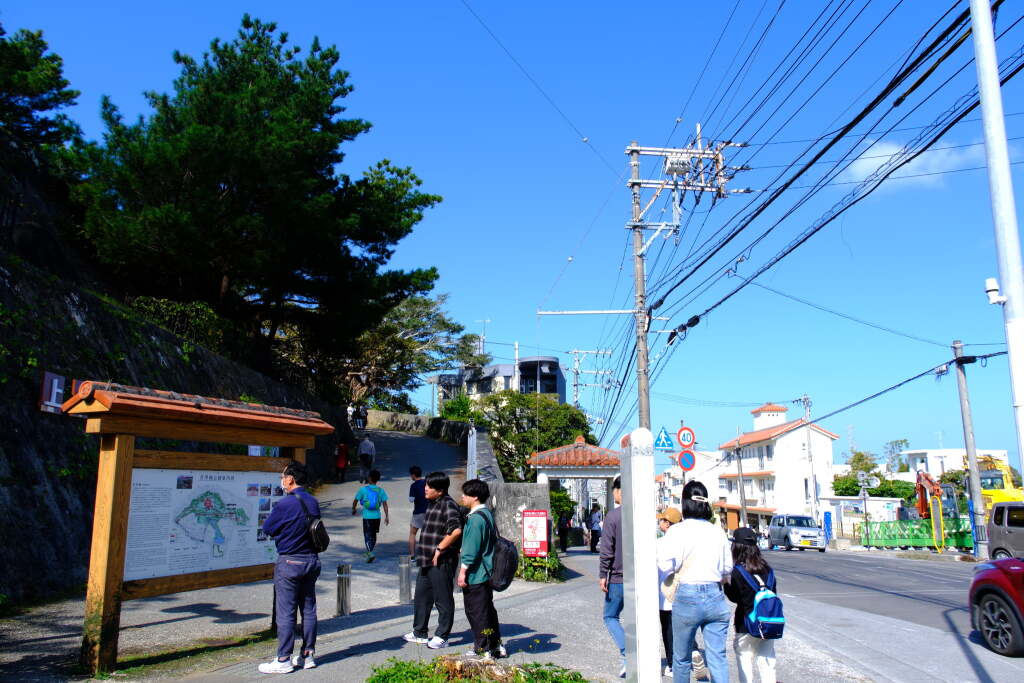
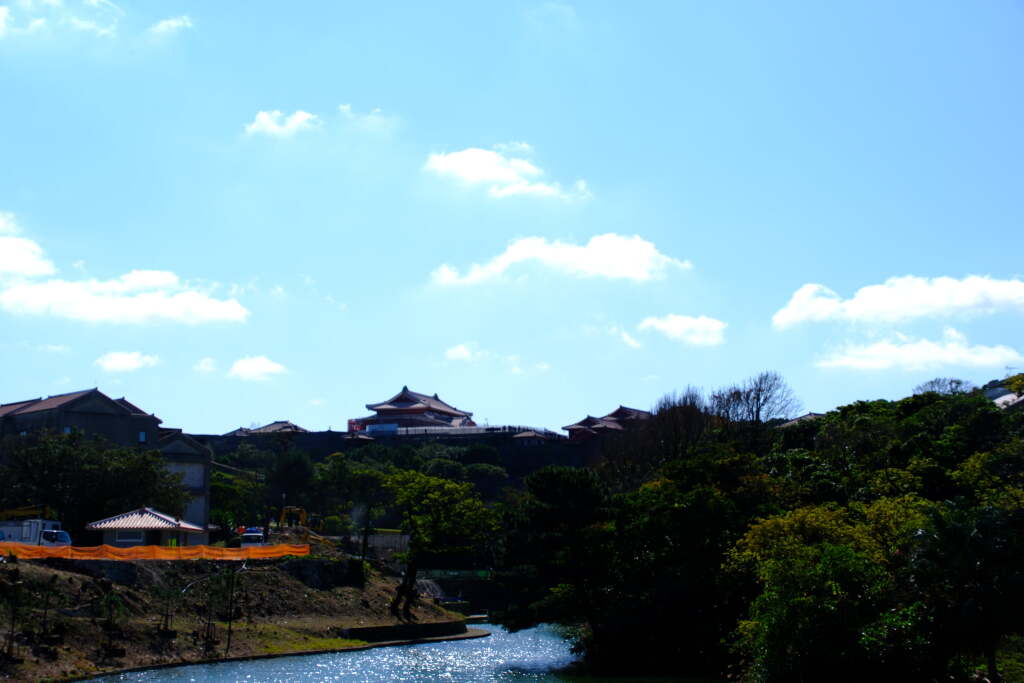
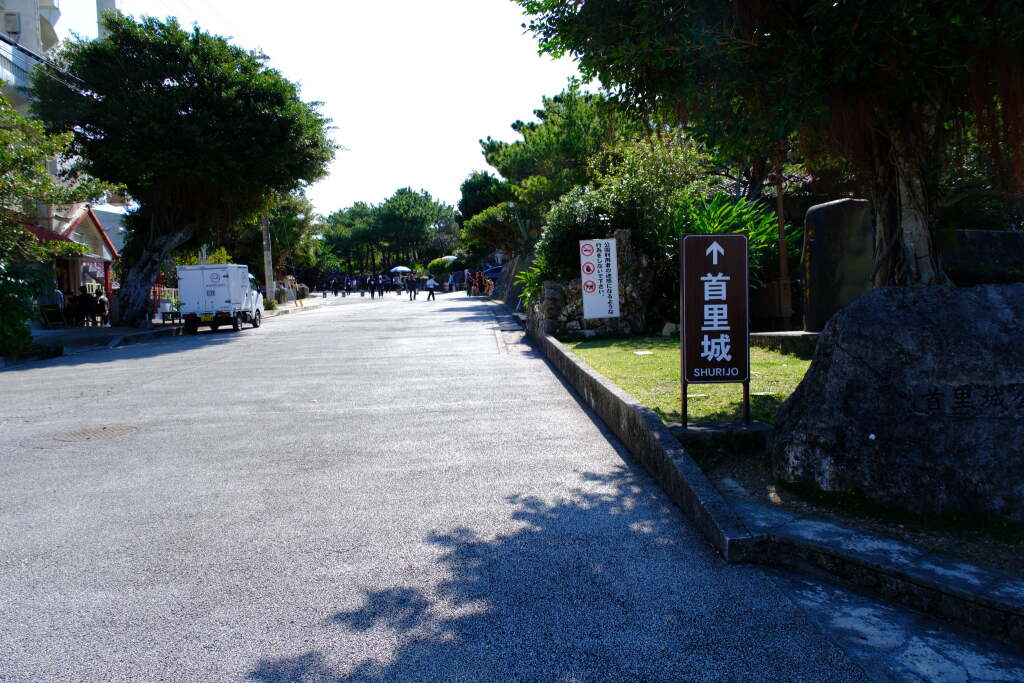
About a 16-minute walk to the entrance of Shuri Castle Park
Shuri Castle is located inside Shuri Castle Park.
Here we will guide you to the entrance of Shuri Castle Park.
You can find the park entrance here:
View on Google Maps
The Yui Rail is the only railway system in Okinawa, and it starts from Naha Airport.
Since the Yui Rail has no transfer lines, simply check the route map at the station to find Shuri Station, then board the train.
What Is Inside Shuri Castle?
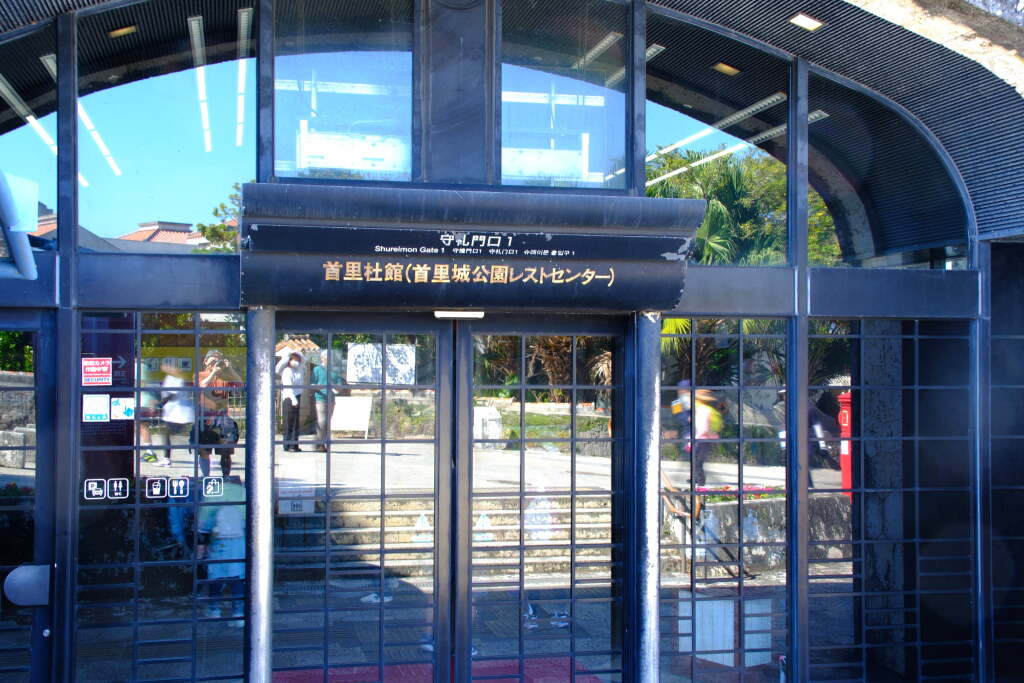
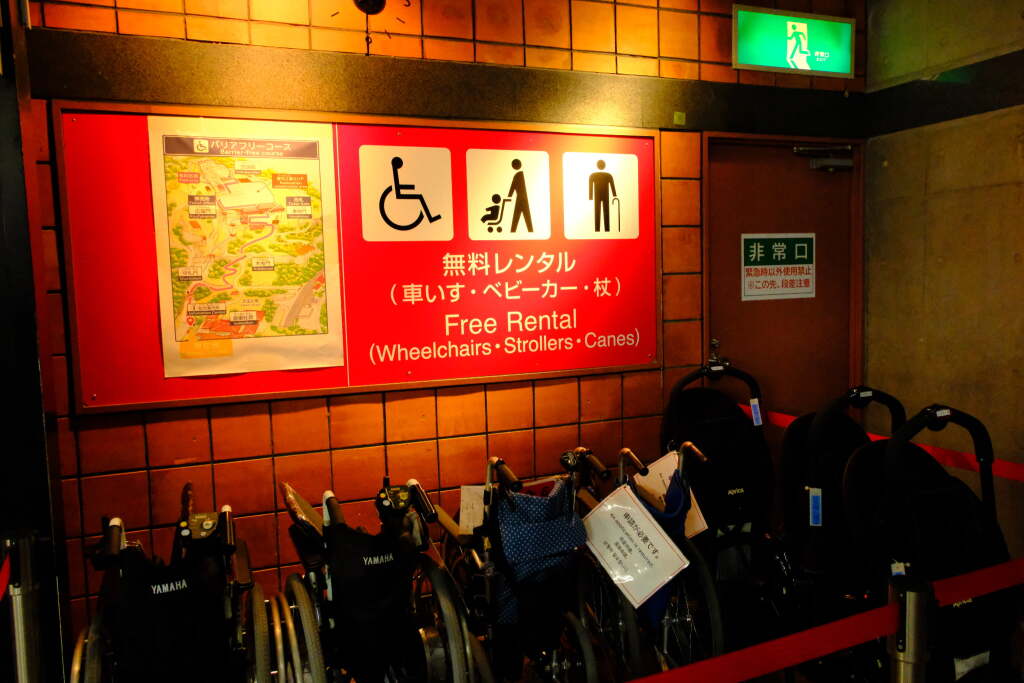
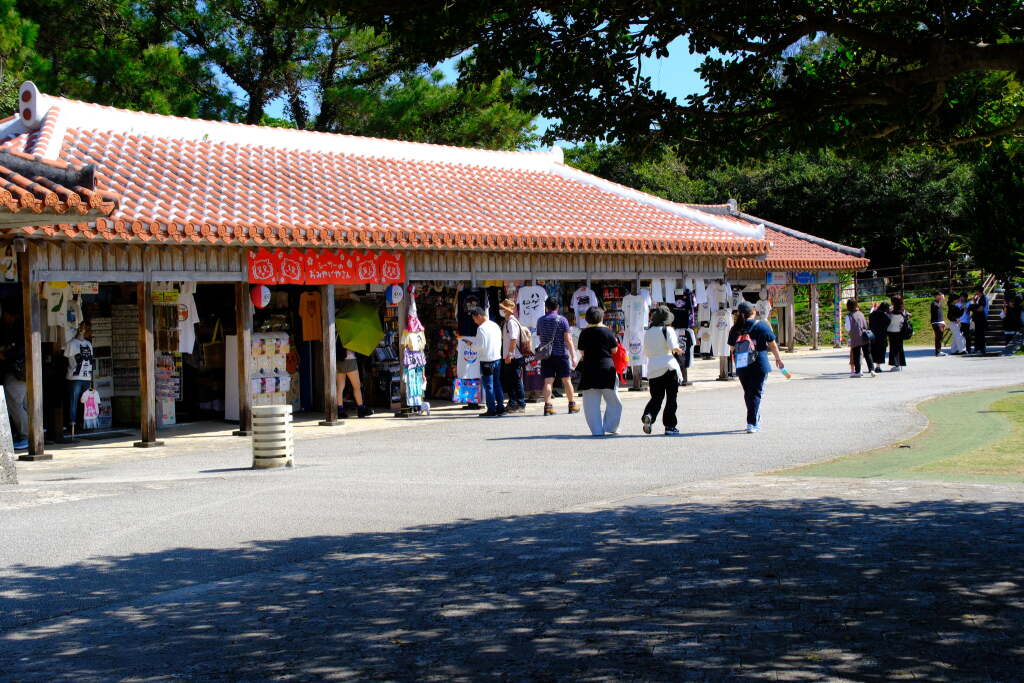
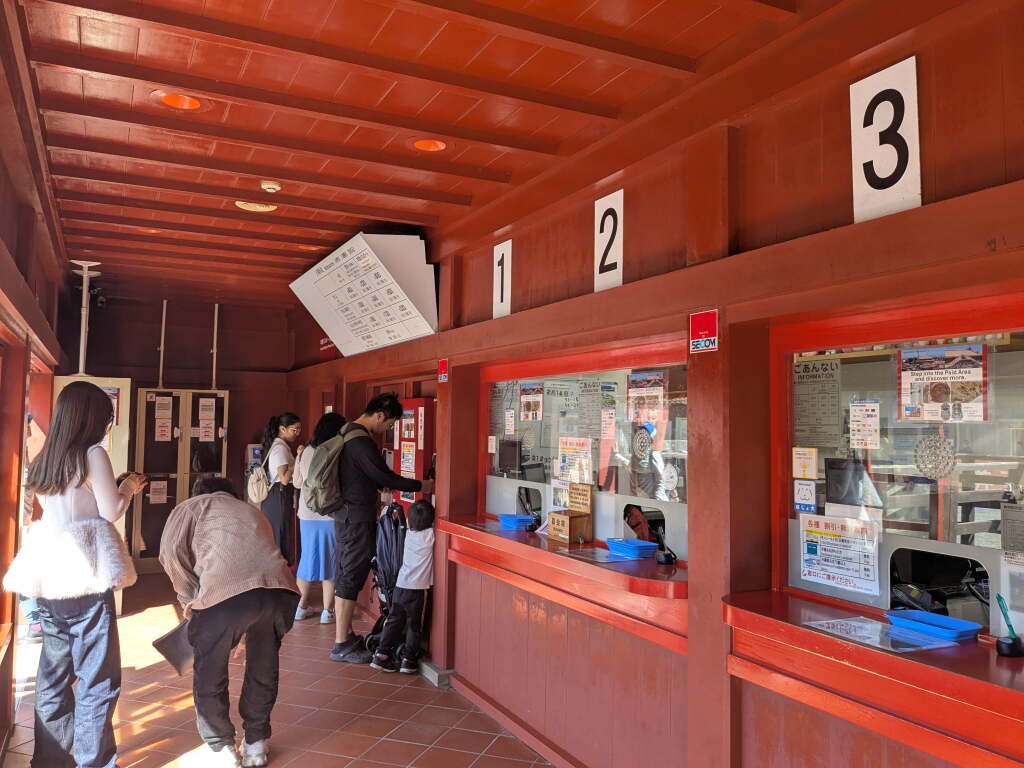
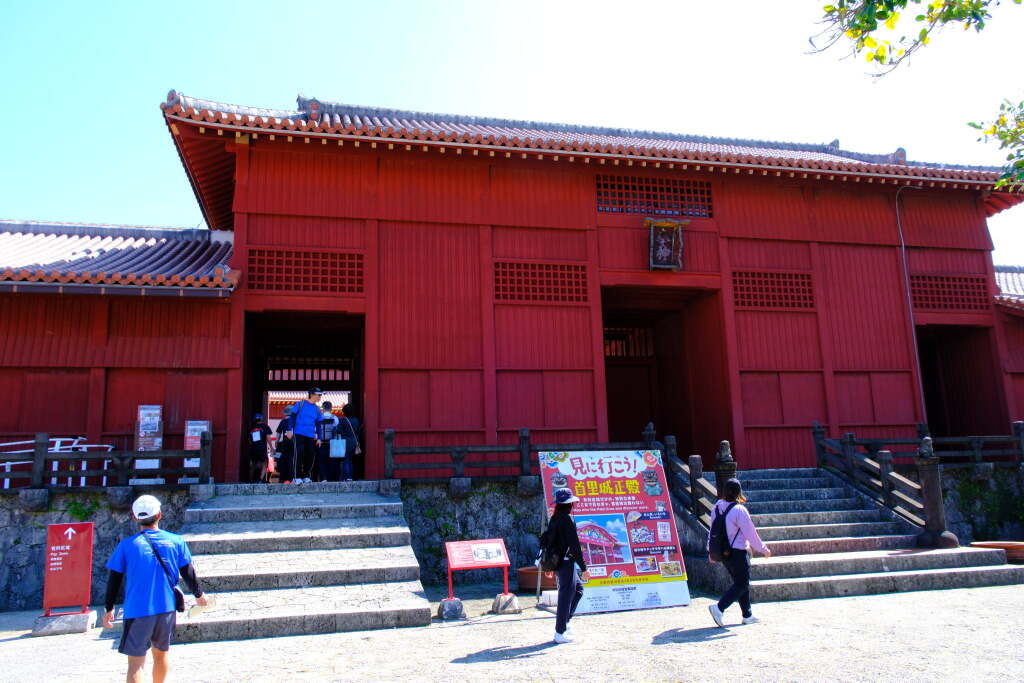
Shuri Castle is divided into a free area and a paid area.
The paid area includes the main buildings such as the main hall, while the rest of the castle grounds can be visited free of charge.
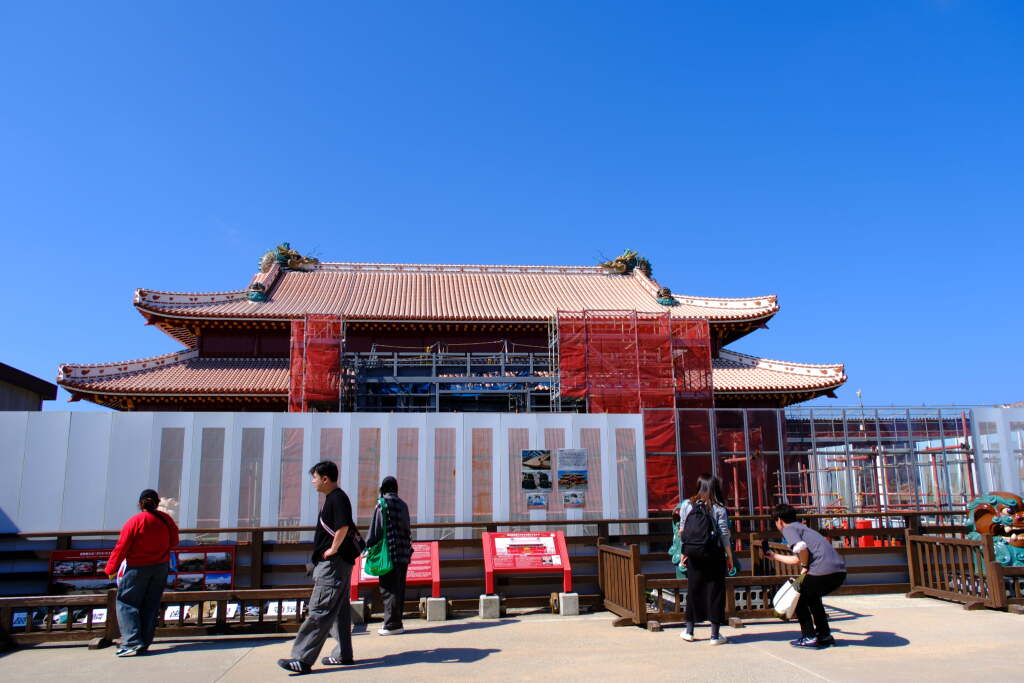
As mentioned earlier, the paid area is currently under reconstruction as of February 2026, so visitors can only observe the rebuilding work from the surrounding viewing areas.
Below, we will introduce what you can see in both the free area and the paid area of Shuri Castle.
The Free Area of Shuri Castle
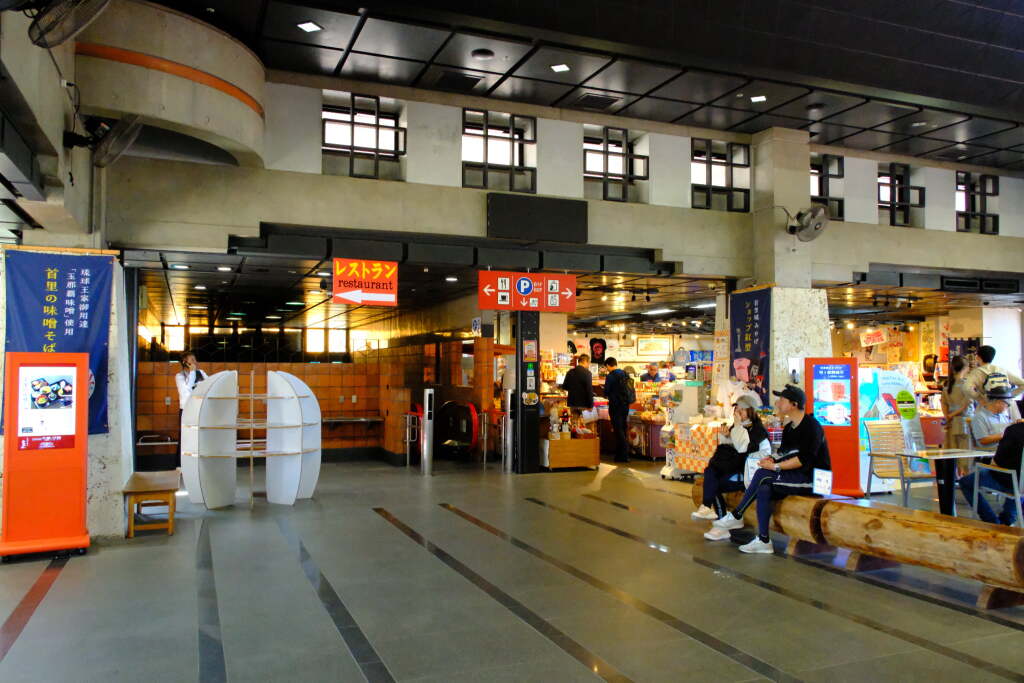
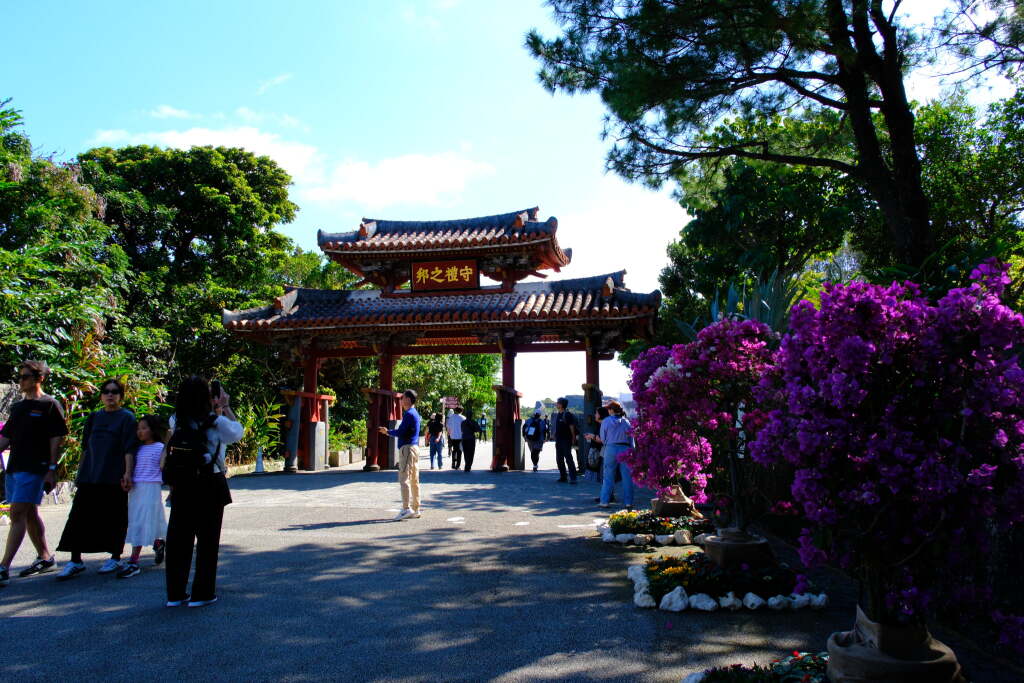
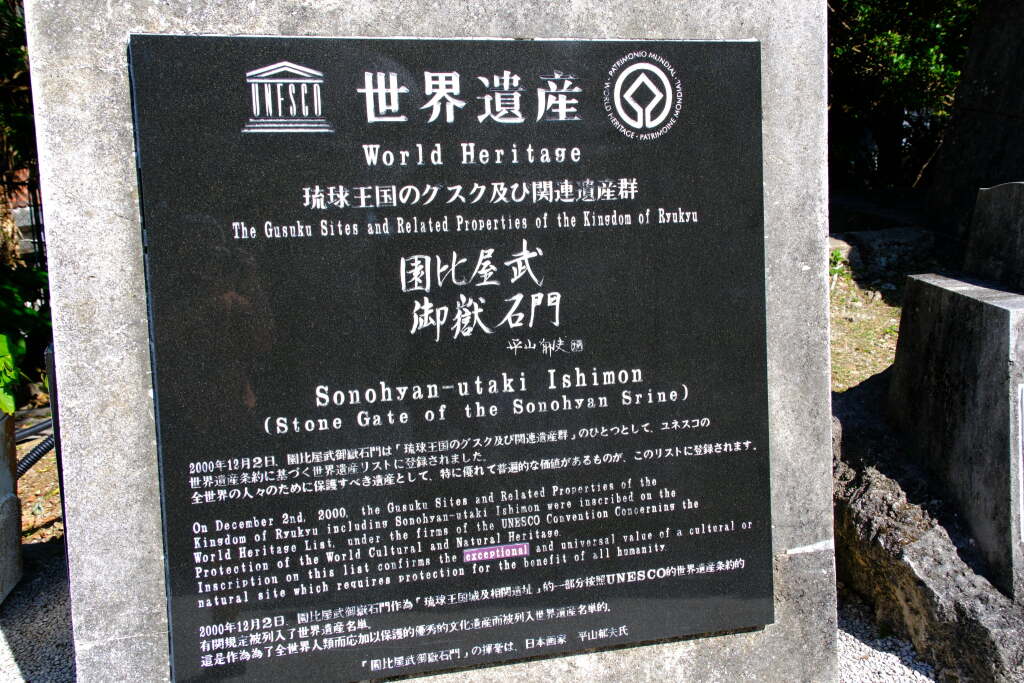
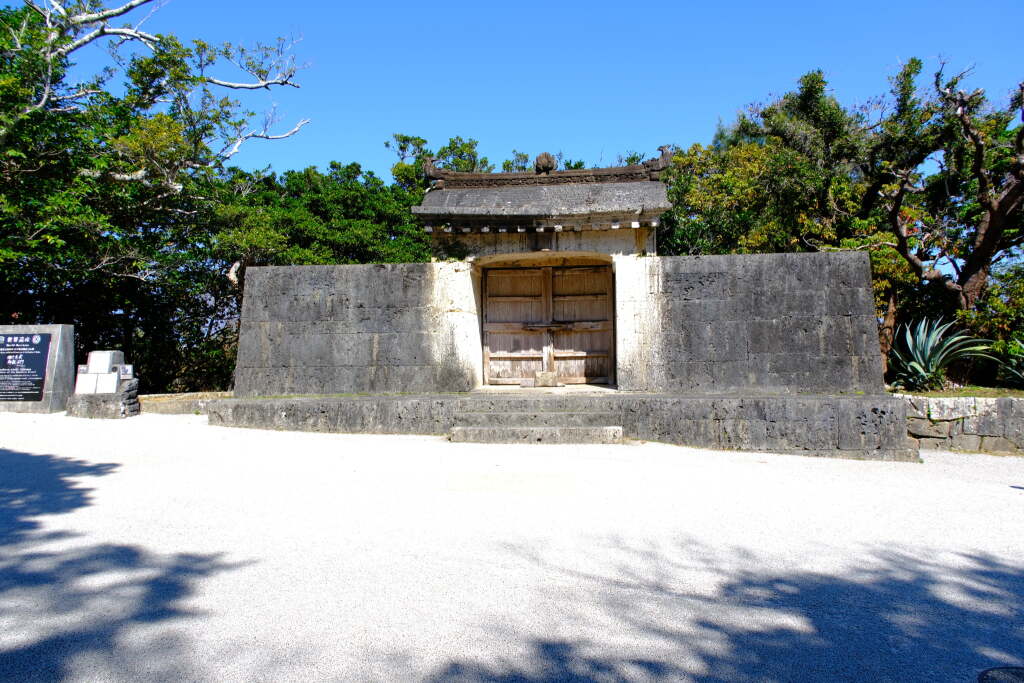
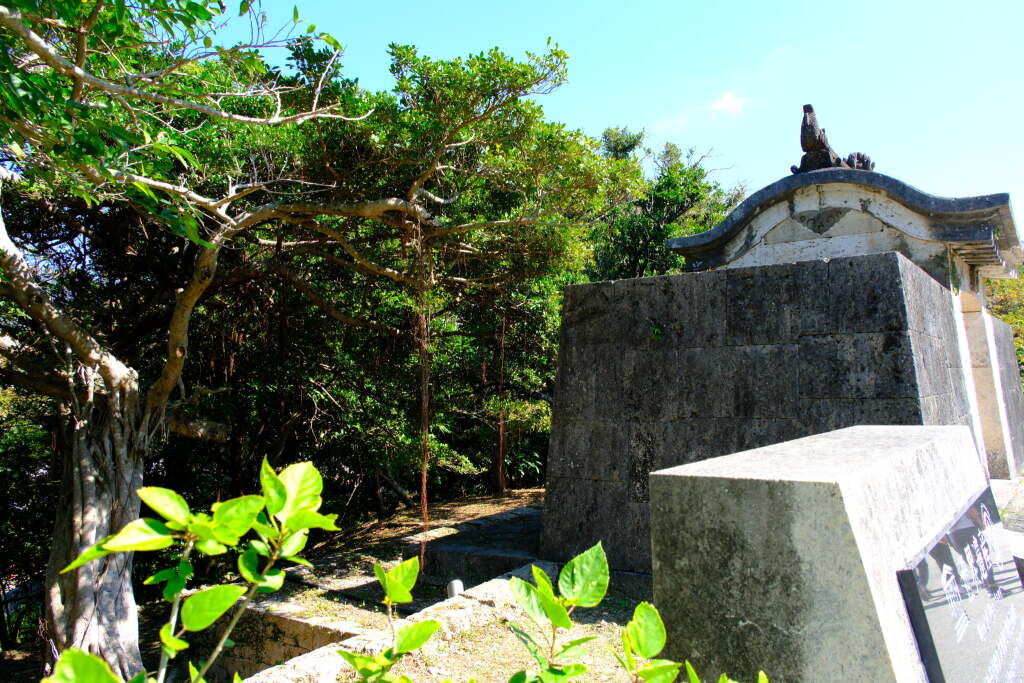
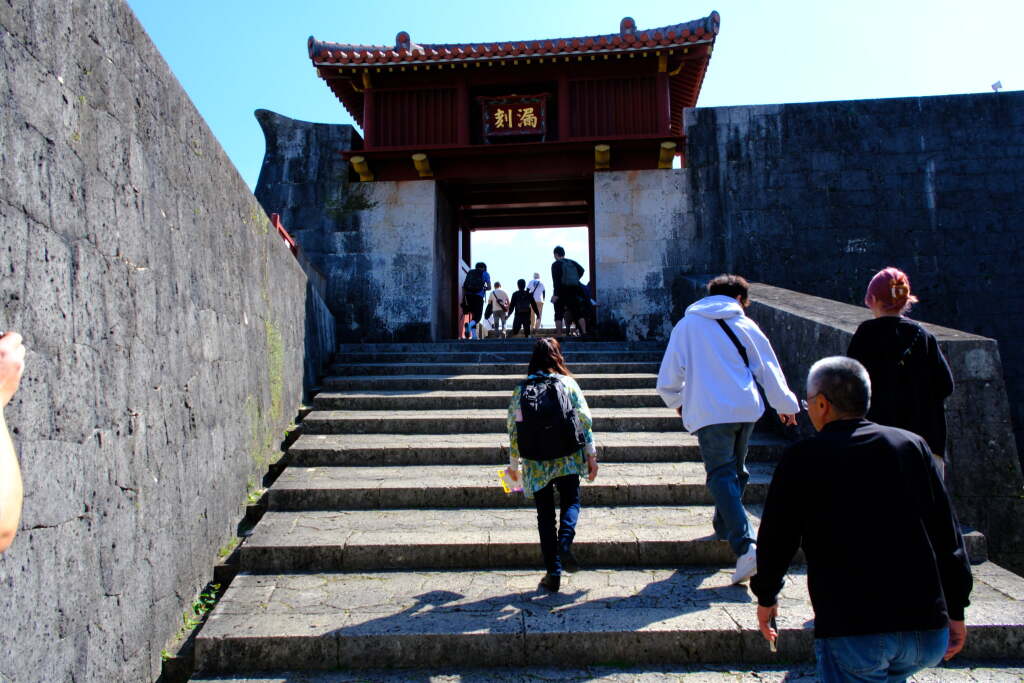
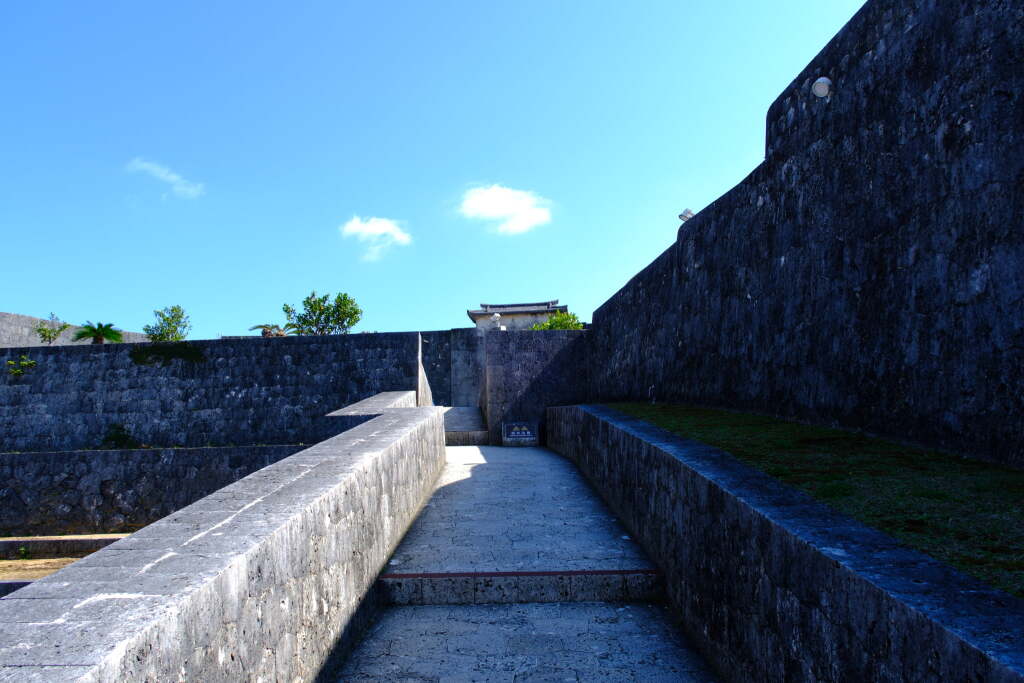
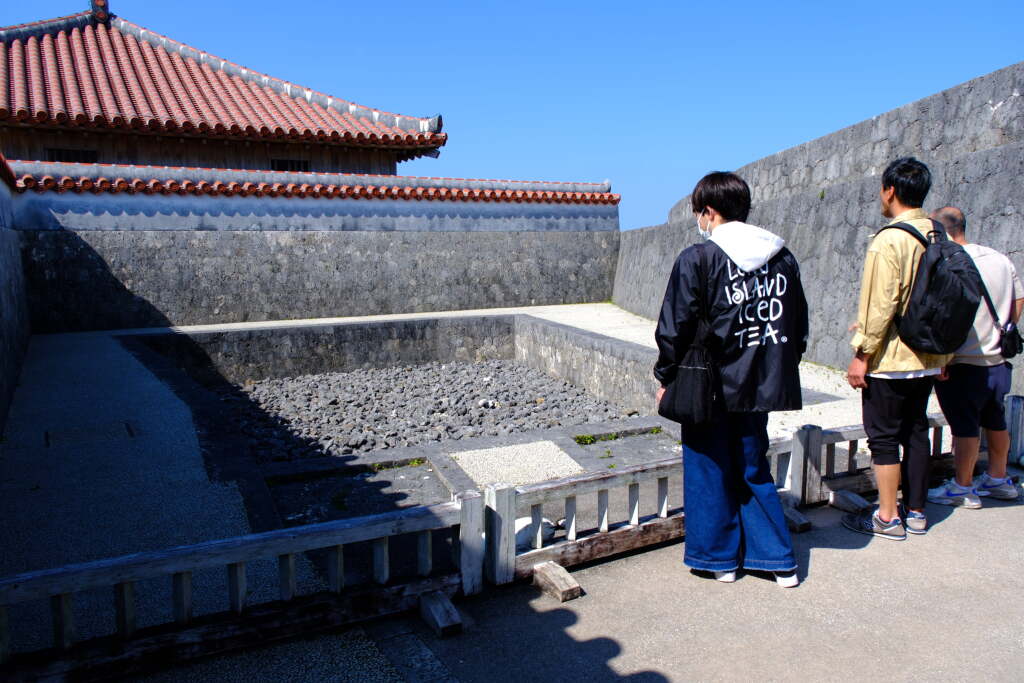
At first glance, it may seem that there is nothing behind this gate, and you might wonder if it is simply decorative. However, this gate was not meant to be passed through, but rather used as a place for prayer.
In the past, beyond this stone gate lay a sacred area known as an “Utaki,” a natural spiritual site consisting of rocks, forests, or other natural features.
It is said that when the king of Shuri left the castle, the gate would be opened and prayers would be offered toward the Utaki for a safe journey.
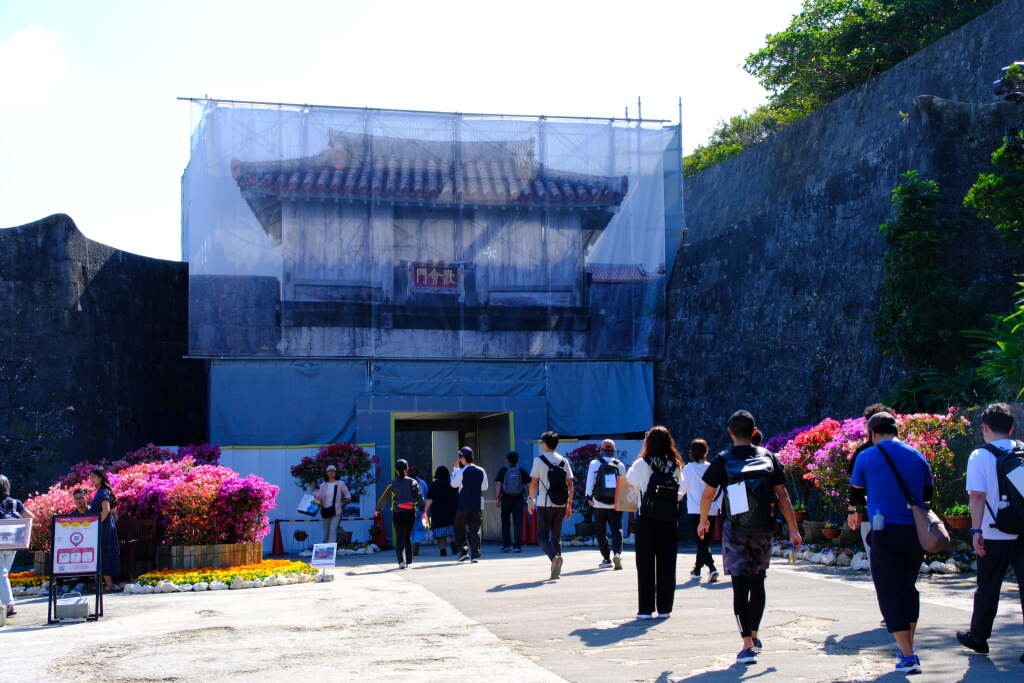
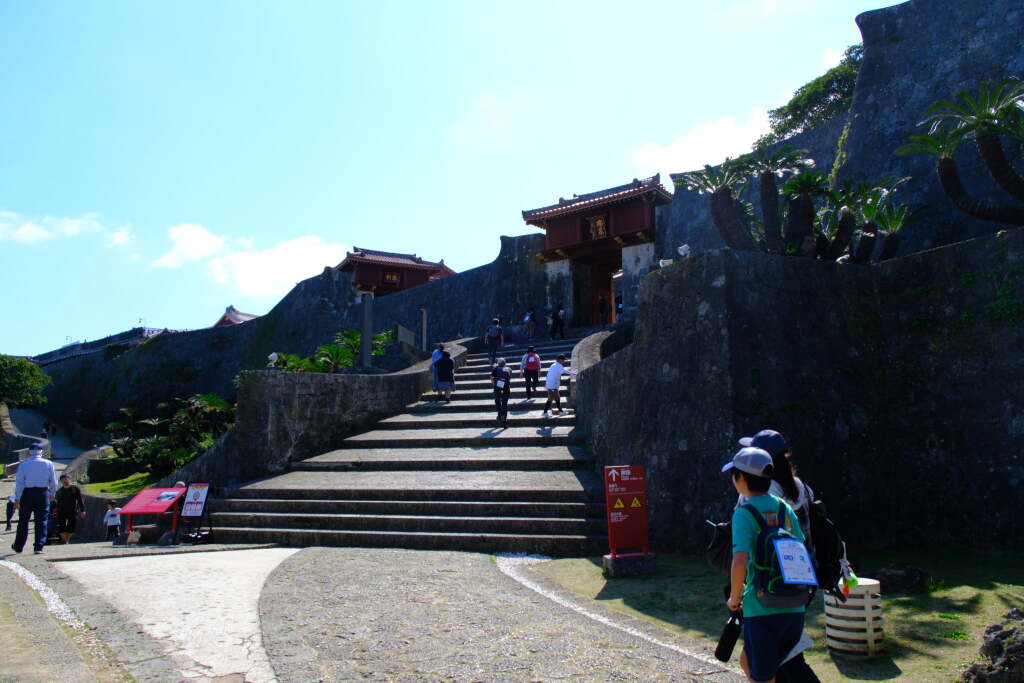
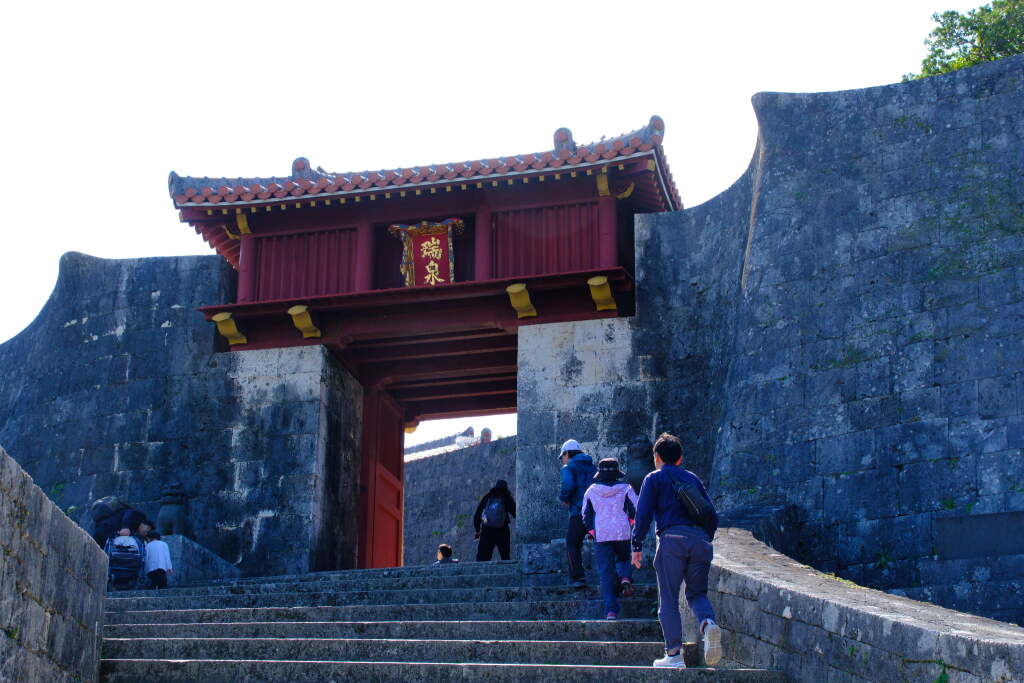
The Paid Area of Shuri Castle
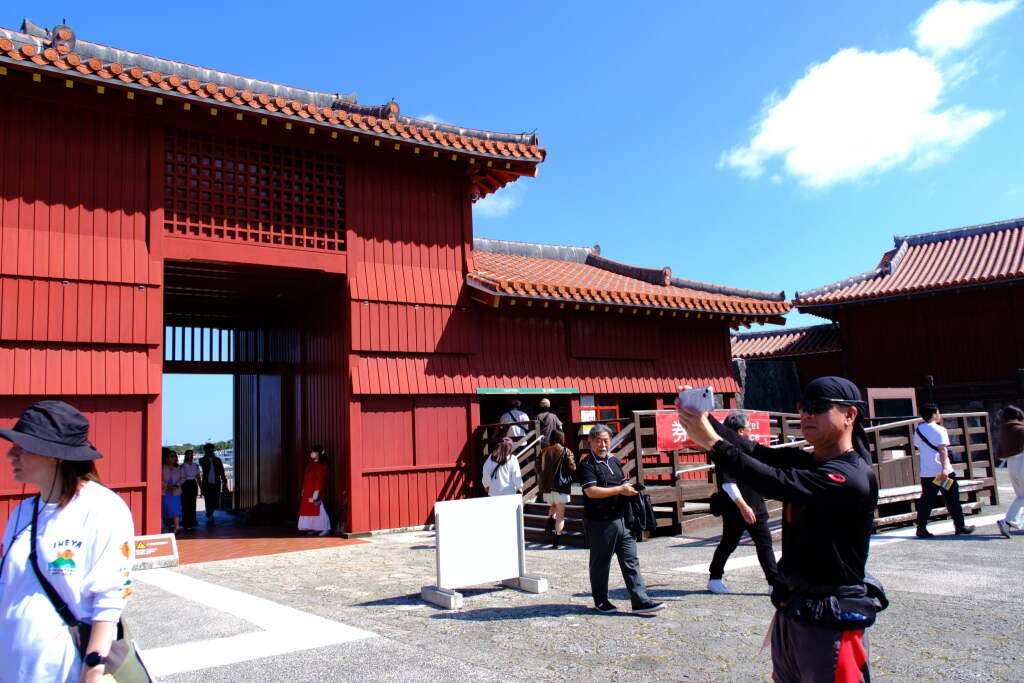
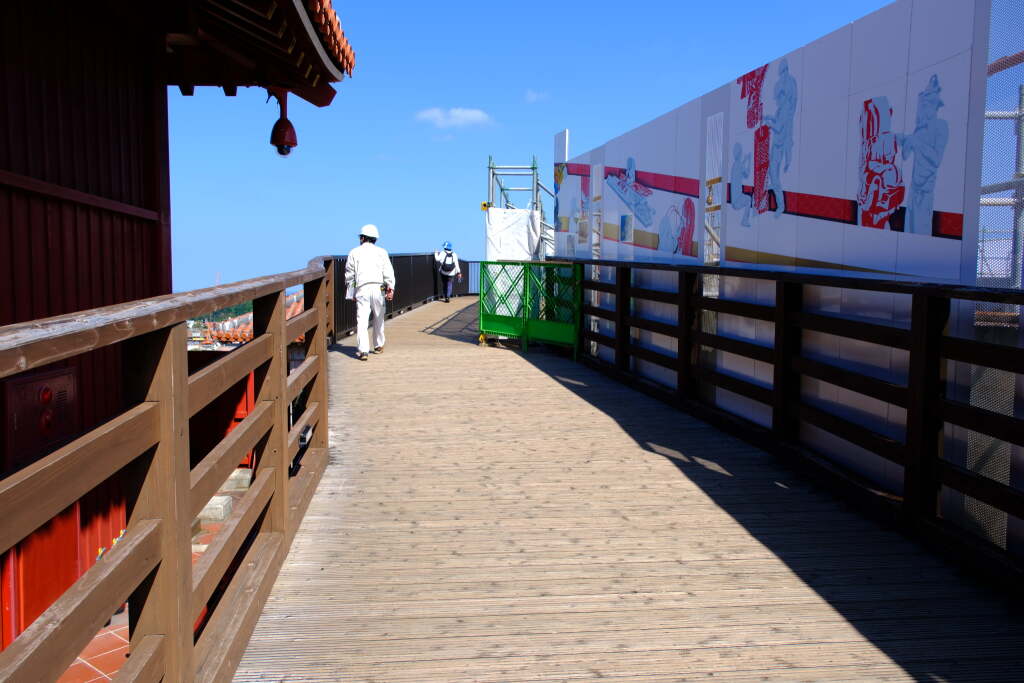
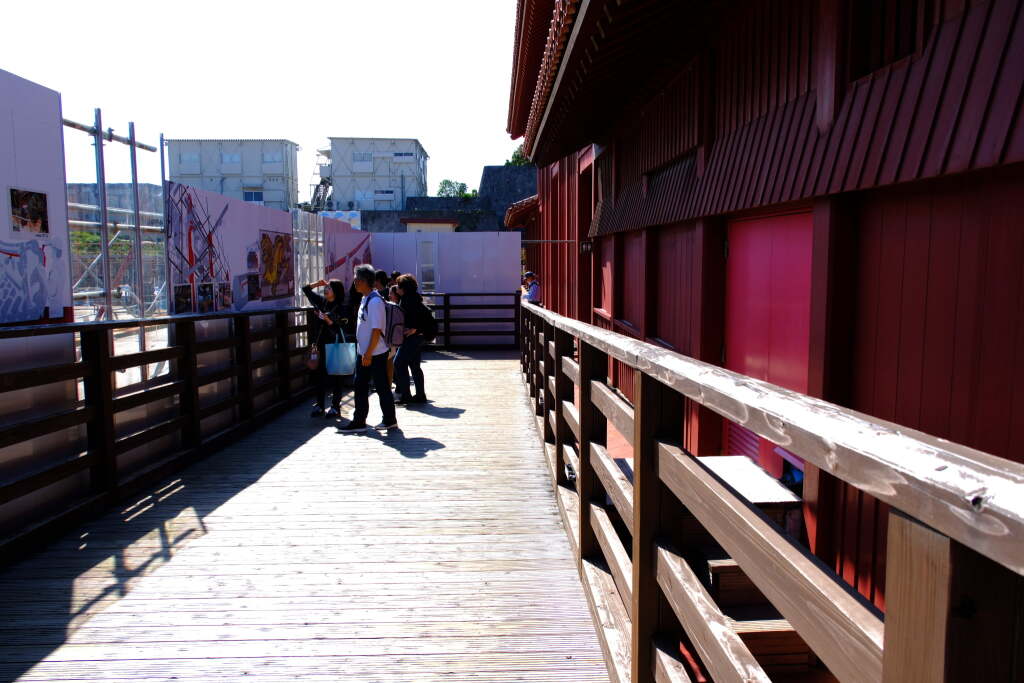
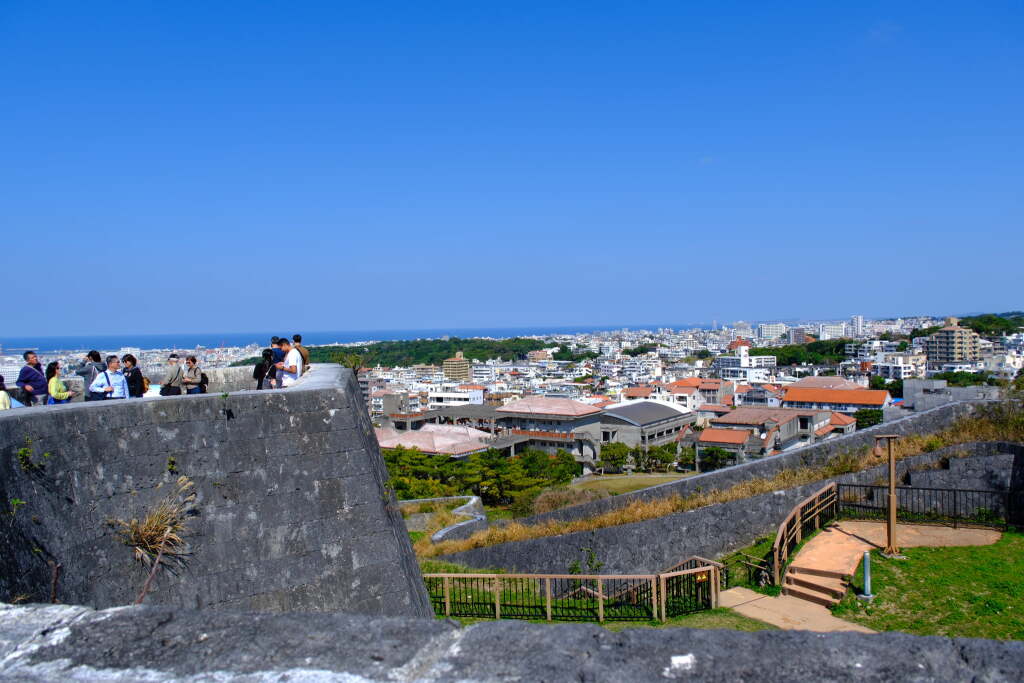
Inside the paid area, visitors can see the reconstruction work of Shuri Castle and enjoy views from the observation deck.
At the moment, visitors walk around the construction area to observe the rebuilding process, and the visit usually takes about 30 minutes.
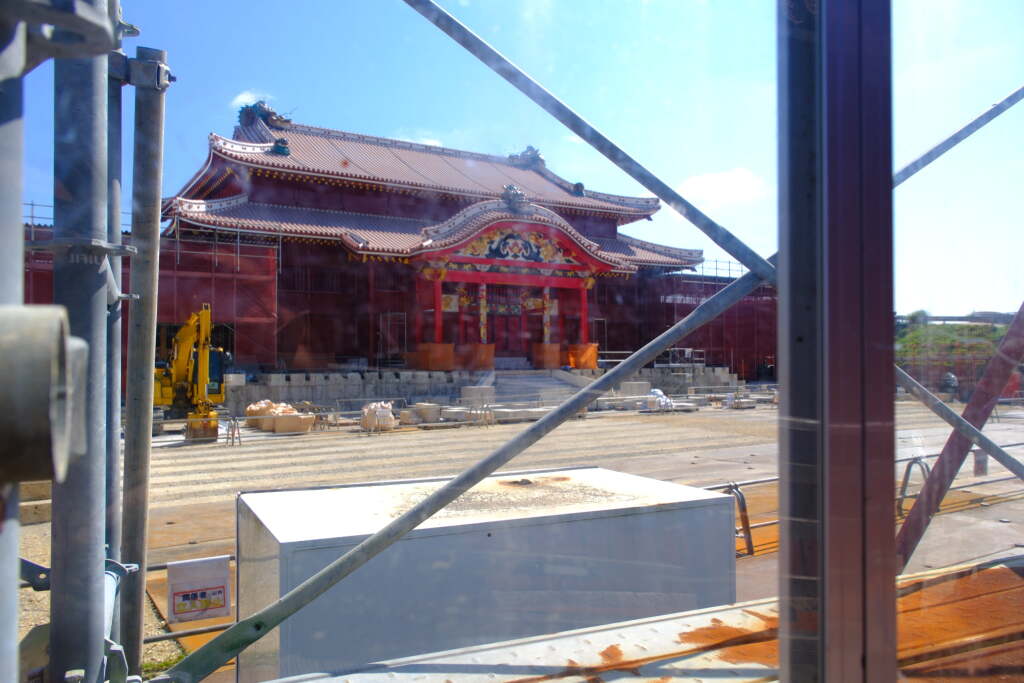
It may feel a little different from visiting the fully restored castle, but it is also a rare opportunity to see Shuri Castle during reconstruction, something that cannot normally be experienced.
Nearby (Optional): Tamaudun and the Shuri Kinjo Stone-Paved Road
About a 5 to 15 minute walk from Shuri Castle, you will find Tamaudun and the Shuri Kinjo Stone-Paved Road, both highly recommended places to visit.
These sites are historically important and help complete the story of Shuri Castle and the Ryukyu Kingdom. While Shuri Castle attracts many visitors, these nearby locations are less well known and are usually much quieter, allowing you to explore them at a more relaxed pace.
When visiting Shuri Castle, taking the time to see Tamaudun, the royal mausoleum of the Ryukyu kings, and the Shuri Kinjo Stone-Paved Road, a historic road from the Ryukyu Kingdom era, will give you a deeper understanding of the history of the kingdom.
Tamaudun
Address:
1-3 Shuri Kinjo-cho, Naha, Okinawa
View on Google Maps
Tamaudun is located about a 4-minute walk from the entrance of Shuri Castle Park (View on Google Maps).
This is the royal mausoleum where generations of kings of the Ryukyu Kingdom are buried.
The history of the Ryukyu Kingdom is divided into two royal lineages: the First Shō Dynasty and the Second Shō Dynasty. Although both share the surname “Shō,” they are not related by blood.
The Second Shō Dynasty came to power through a coup. The exact reason for this change of dynasty is not clearly known, but several theories suggest that the First Shō Dynasty had become politically weakened, or that there was dissatisfaction with its rule.
In 1469, the dynasty changed, and the Second Shō Dynasty, founded by King Shō En, was established. This royal line continued for about 410 years, and the remains of most of its kings (except the second and seventh kings) are quietly enshrined here at Tamaudun.
Visitors cannot enter the tomb itself, but there is a small museum next to the ticket office where you can view photographs and learn more about the interior of the mausoleum.
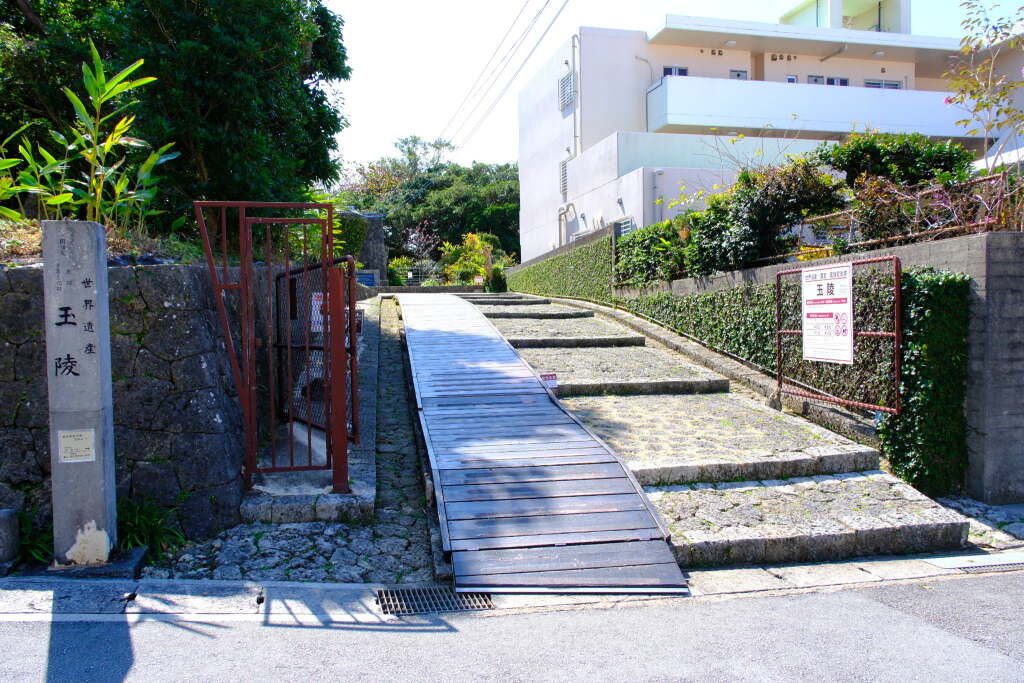
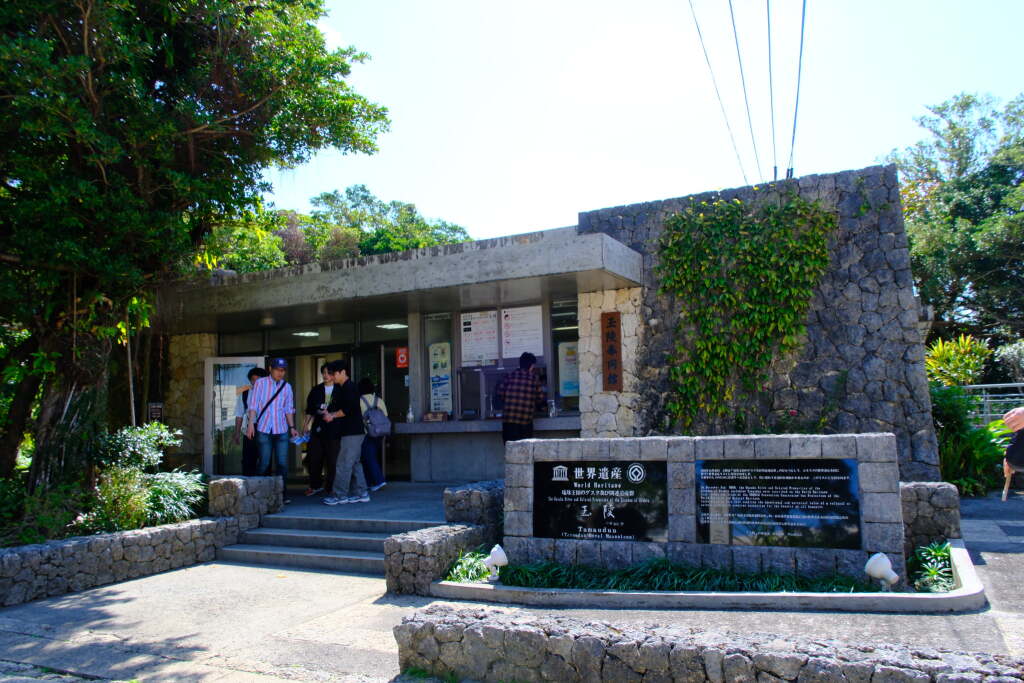
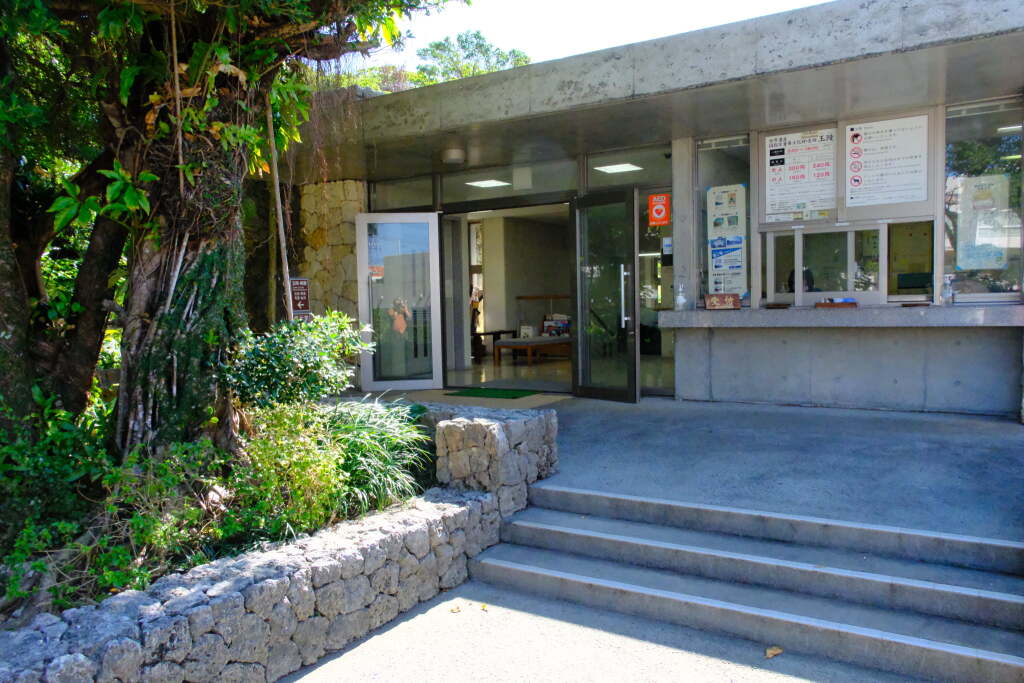
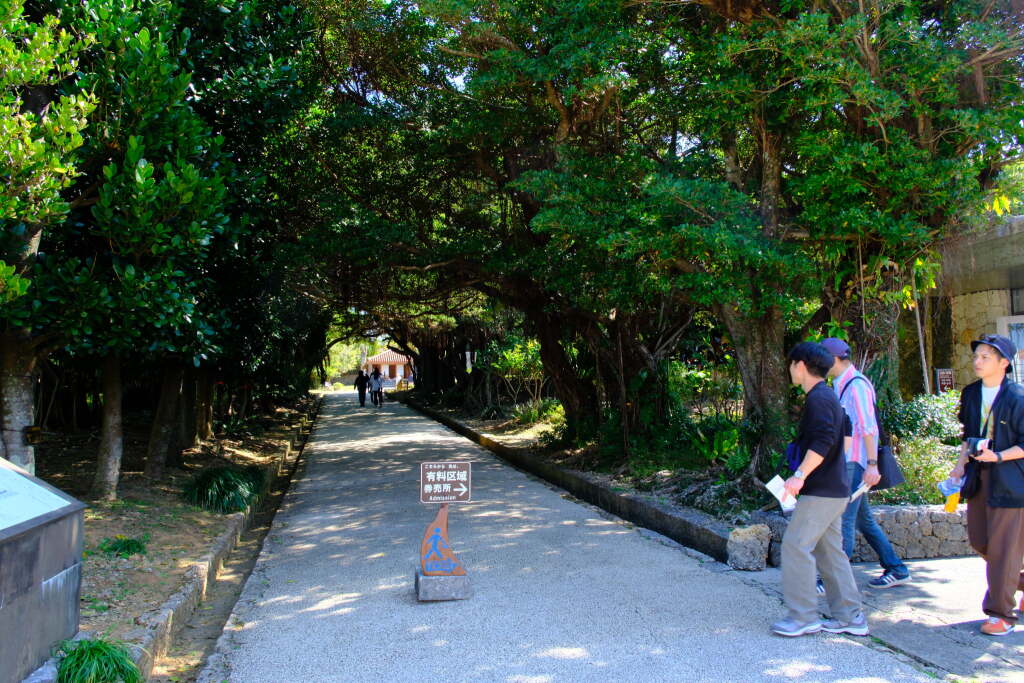
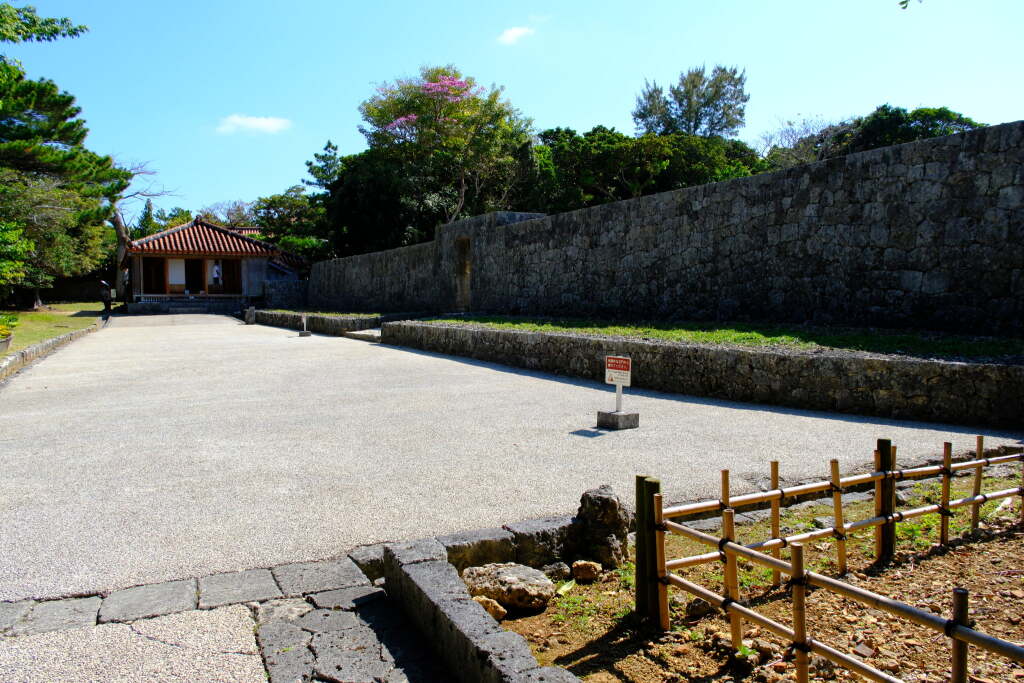
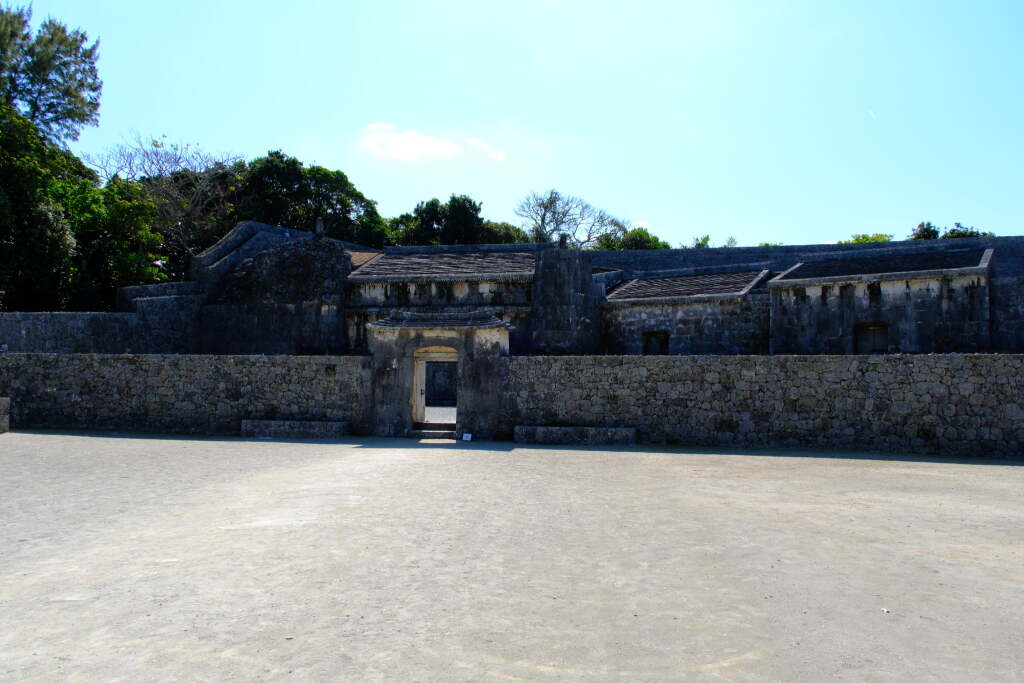
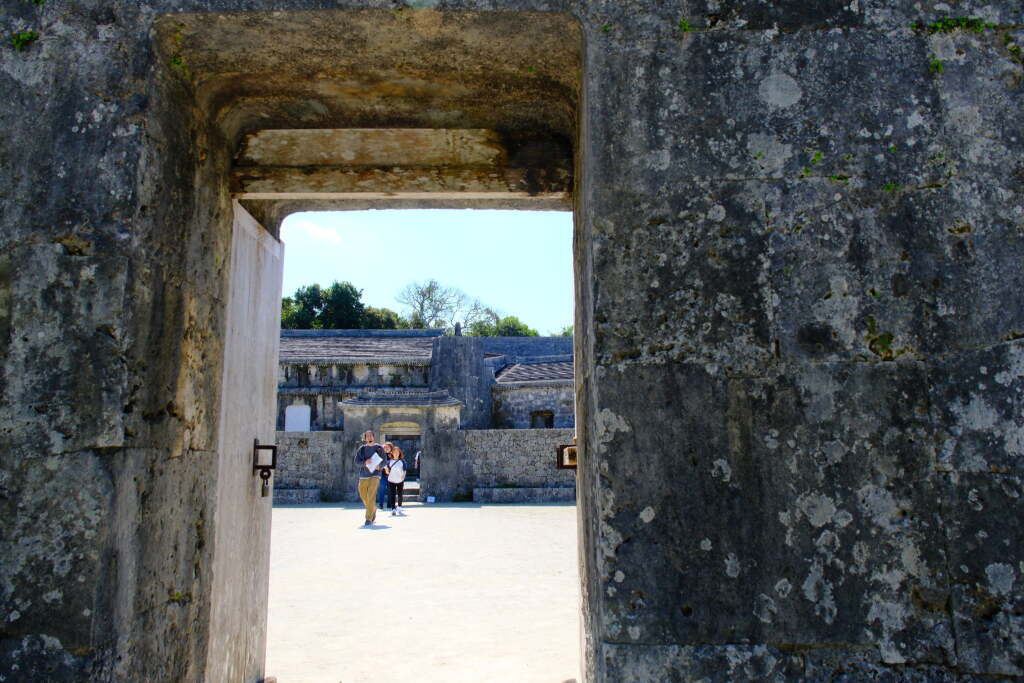
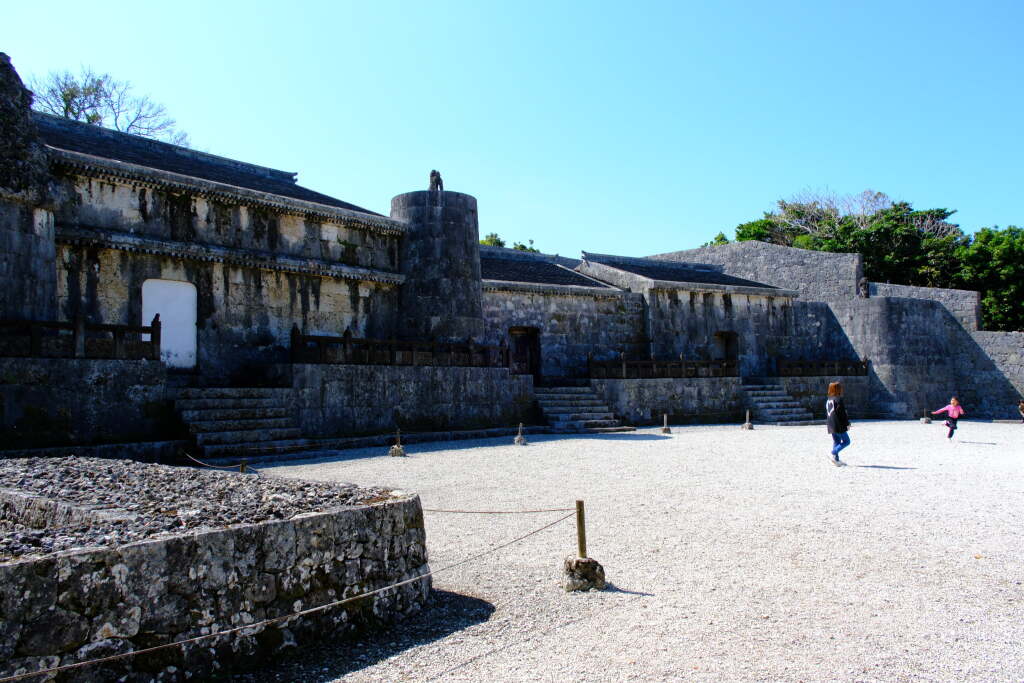
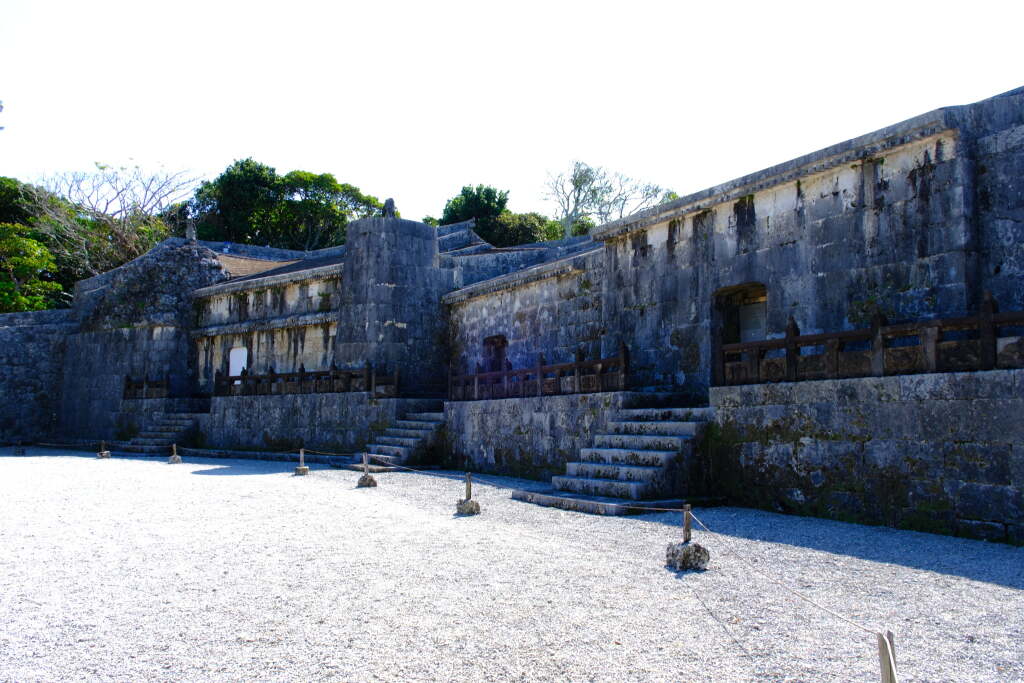
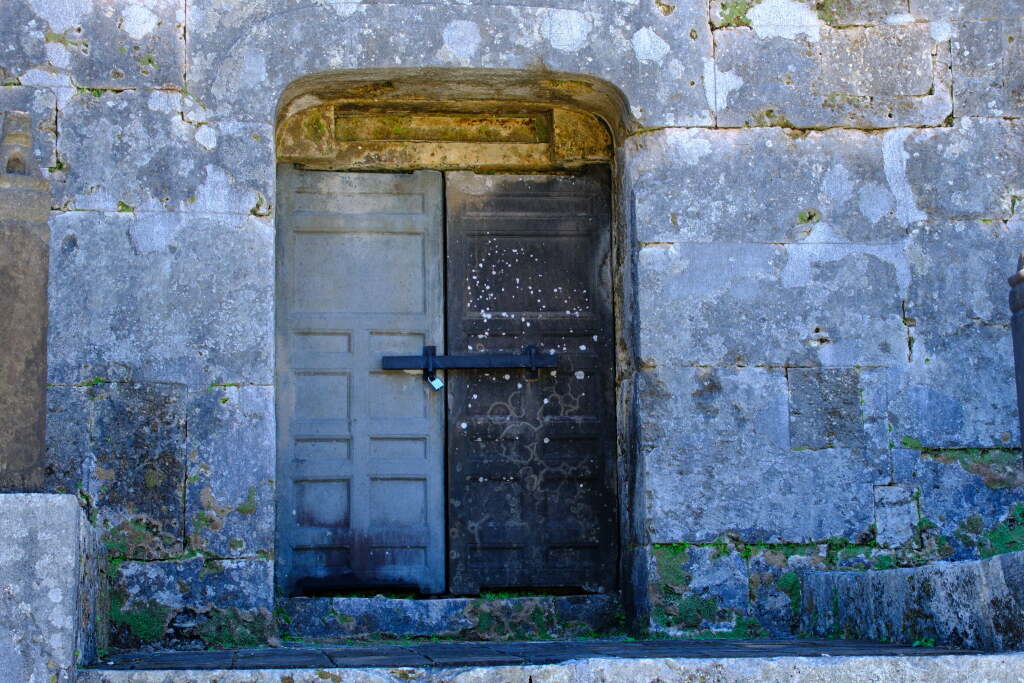
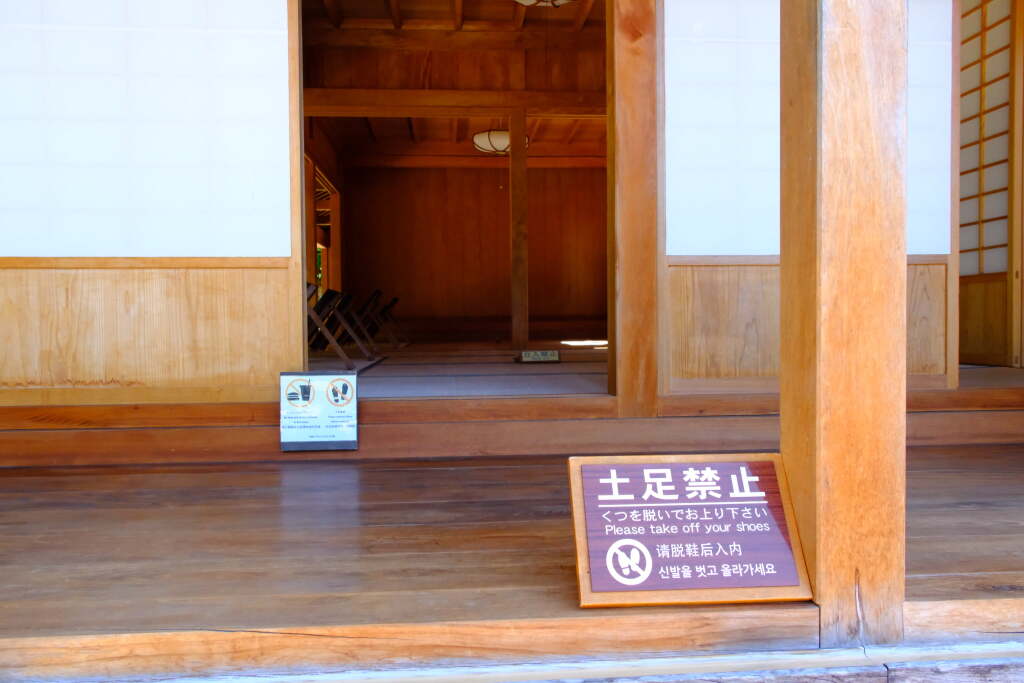
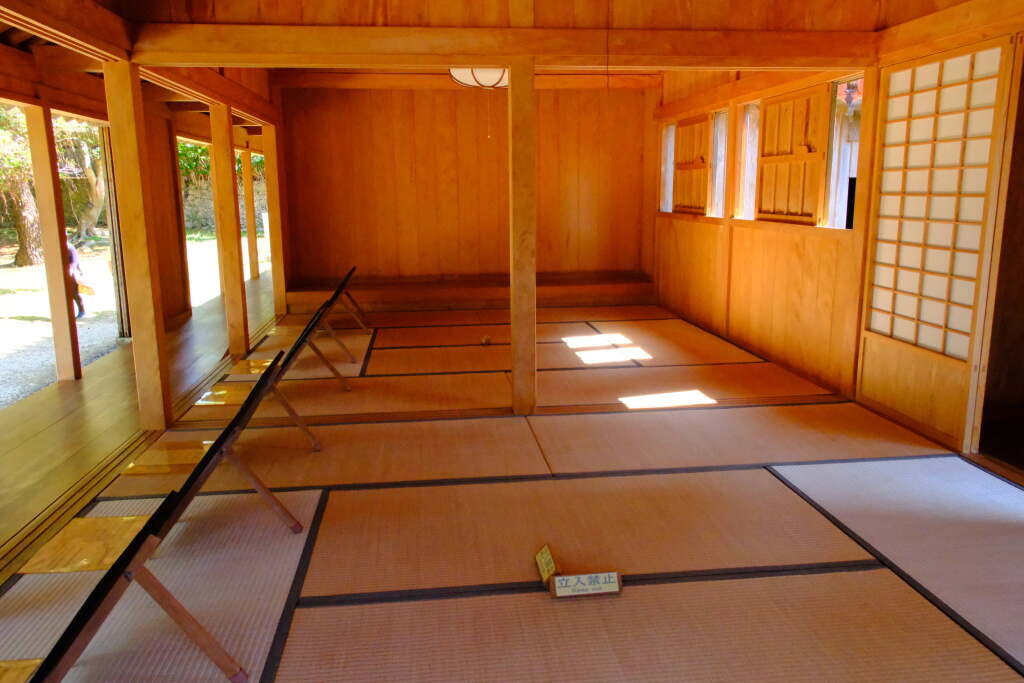
Before passing through the gate of Tamaudun, you will find a building called Agari-nu Ubanju (the East Guardhouse), which visitors can enter.
Originally, there were two guardhouses—one on the east and one on the west—but today only the eastern guardhouse has been reconstructed.
The Ubanju served as an office for officials who managed and guarded Tamaudun. In the Ryukyu Kingdom, it was common for important sites related to the royal government to have such guardhouses.
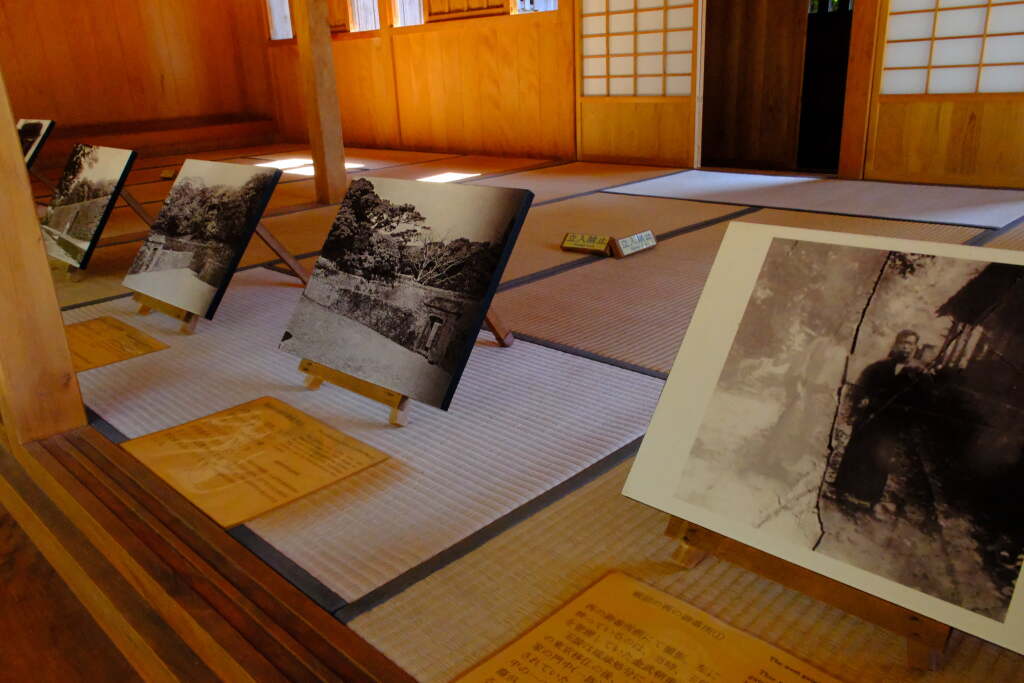
Tamaudun Museum
The entrance to the museum is located next to the ticket office.
Admission is included in the 300-yen ticket, so it is a good idea to visit the museum after seeing Tamaudun.
Some of the exhibits also include English explanations.
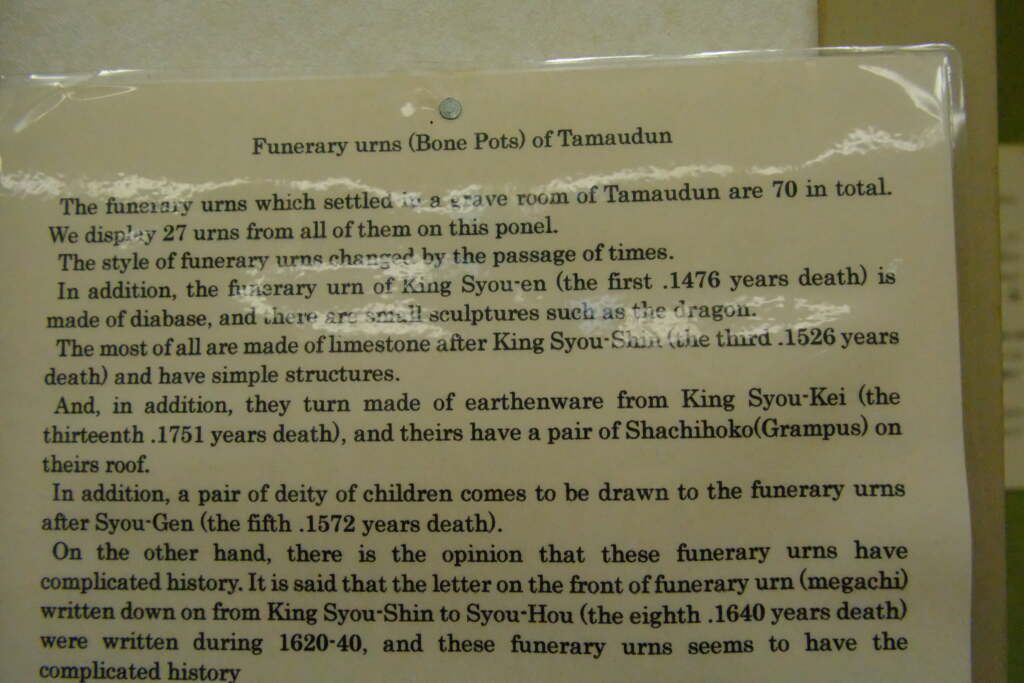

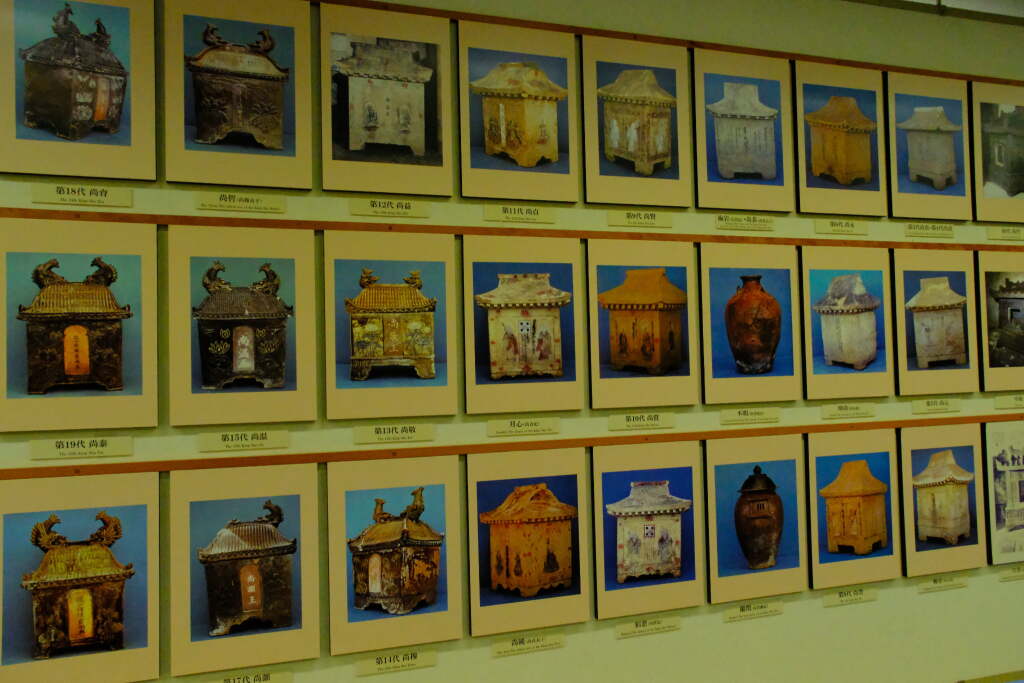
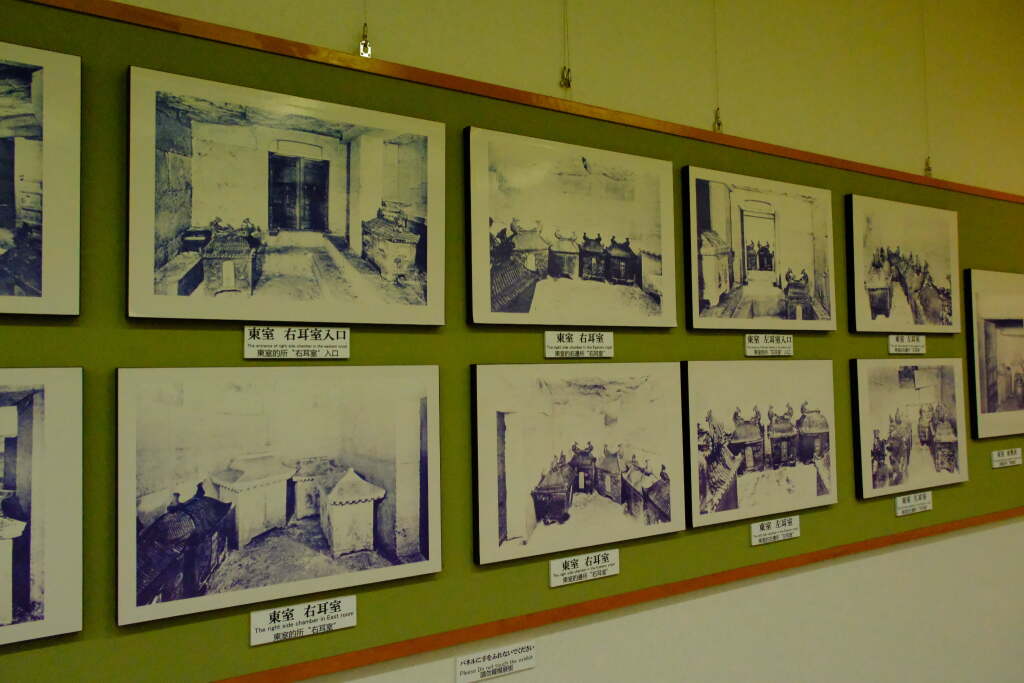
Shuri Kinjo Stone-Paved Road
Address:
2 Shuri Kinjo-cho, Naha, Okinawa
View on Google Maps
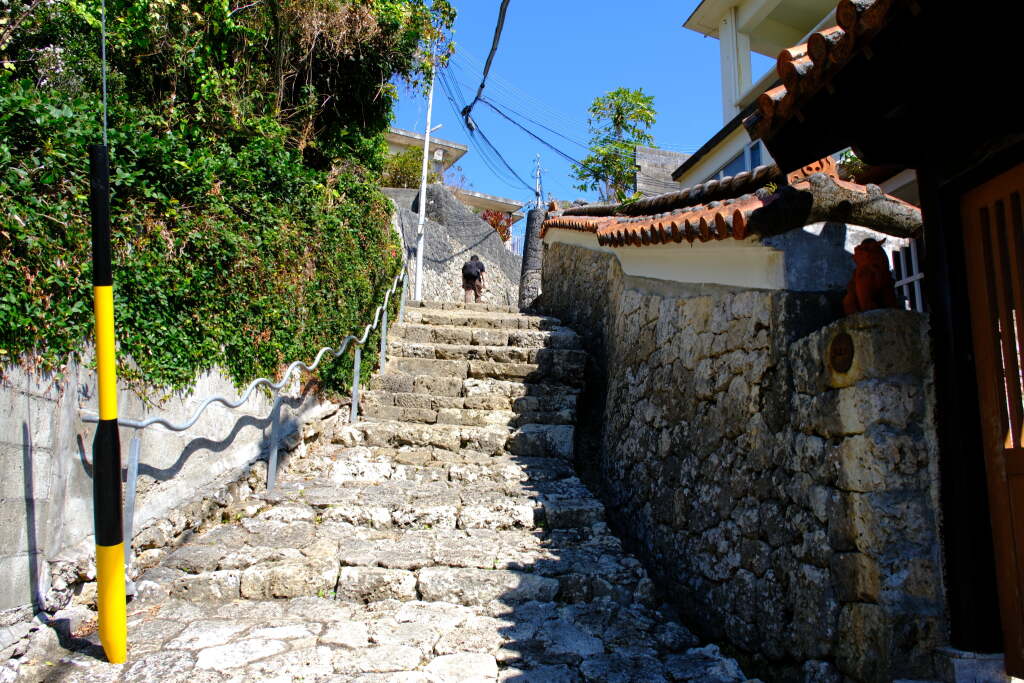
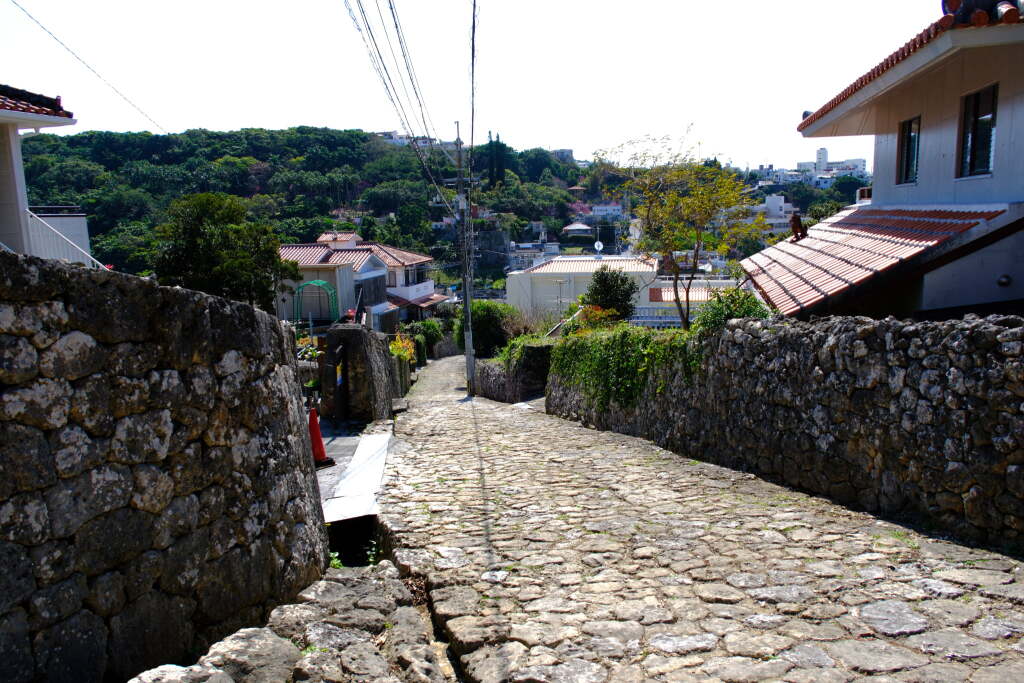
The Shuri Kinjo Stone-Paved Road is a historic stone path that extends south from Shuri Castle and was developed during the Ryukyu Kingdom period. In the past, it served as an important road connecting Shuri Castle with the surrounding castle town.
Stone-paved roads like this once existed throughout Okinawa, but many were lost due to the Battle of Okinawa in World War II and later urban development. Today, only about 300 meters of this road remain, making it a rare place where you can still walk along a path from the Ryukyu Kingdom era.
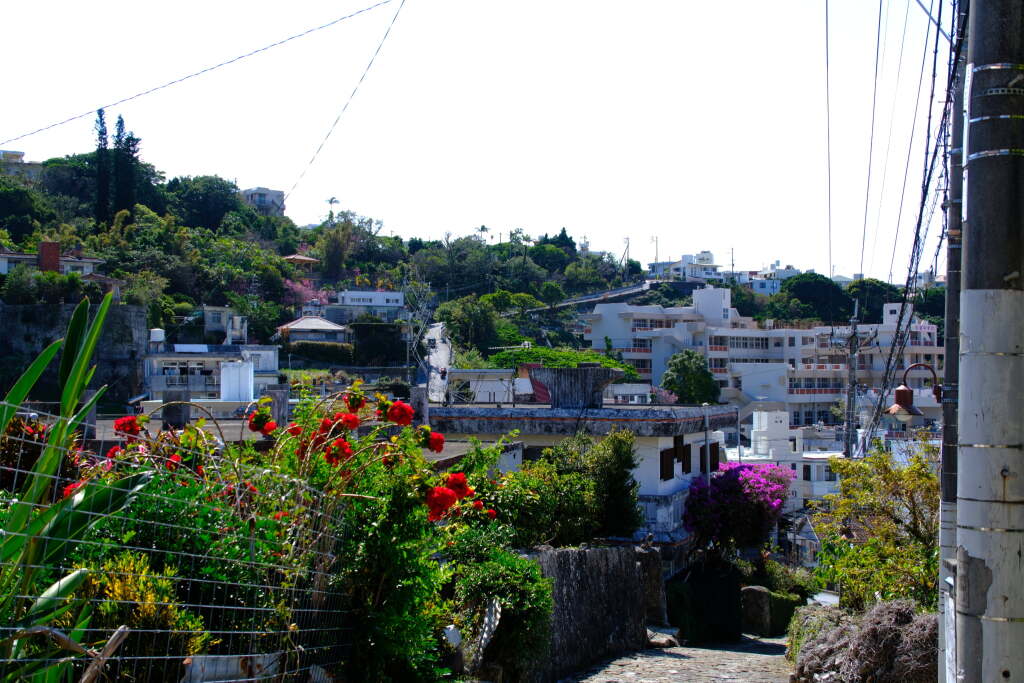
The stone pavement continues along a gentle slope, and the scenery retains a distinctive Shuri atmosphere. Walking slowly along this road, it is easy to imagine what the town might have looked like during the time of the Ryukyu Kingdom.
Unlike Shuri Castle or Tamaudun, there are no large buildings here, but it is a quiet place where you can still feel the history of the area. The charm of this road lies in its peaceful scenery and slightly nostalgic atmosphere.
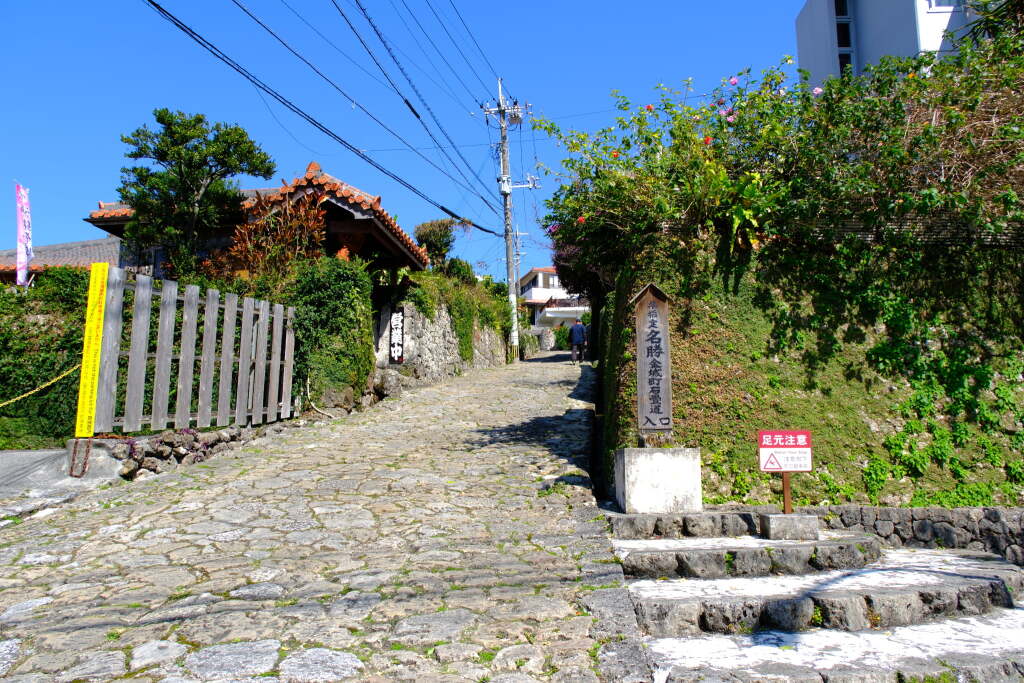
Opening Hours and Admission Fees
Shuri Castle
Opening Hours (Free Area)
April – June / October – November
8:00 – 19:30
July – September
8:00 – 20:30
December – March
8:00 – 18:30
Opening Hours (Paid Area)
April – June / October – November
8:30 – 19:00 (Last admission: 18:30)
July – September
8:30 – 20:00 (Last admission: 19:30)
December – March
8:30 – 18:00 (Last admission: 17:30)
For information about closed days, please check the official website:
https://oki-park.jp/shurijo/info/15
Admission Fee (Paid Area)
Adults: 400 yen
High school students: 300 yen
Elementary and junior high school students: 160 yen
Children under 6: Free
Credit cards are accepted.
Tamaudun
Opening Hours
9:00 – 18:00 (Last admission: 17:30)
Open year-round
Admission Fee
Adults: 300 yen
Children (junior high school students and younger): 150 yen
Cash only.
Shuri Kinjo Stone-Paved Road
This is a public road, so it is free to visit and open year-round.
Information in this article is current as of February 14, 2026.